Work (ethics)

Definition and stakes

Durant Drake,  Problems of Conduct: An Introductory Survey of Ethics

“ But with our resources of analysis and reflection, it is not difficult to discern that the various forces at work have been such as to preserve, in general, habits which made for the welfare of individual or tribe and discard the harmful ones. It is, then, not merely habits, but habits that matter, moral habits, with whose growth and alteration we are here concerned. What, in general, has been the direction of moral progress? We have noted the main causes at work in the production of morality; we now ask in what general direction these forces push. ”
Source: Gutenberg

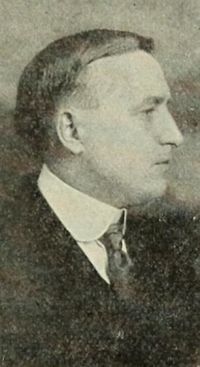
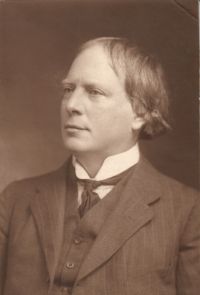
Portrait of Arthur Machen Arthur Machen,  The Three Impostors; or, The Transmutations

“ Without book-keeping, and still more without a system of ethics, it is impossible to conduct a business such as mine. But I assure you that I am often profoundly saddened as I pass through the crowded streets and watch the world at work by the thought of how few amongst all these hurrying individuals, black hatted, well dressed, educated we may presume sufficiently,—how few amongst them have any reasoned system of morality. ”
Source: Gutenberg

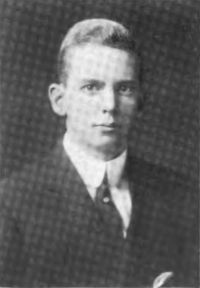
Portrait of John Dewey John Dewey,  Outlines of a Critical Theory of Ethics

“ This is the end; it is a common end—that for which each individual labors. Not all individuals, however, are doing the same thing. The more perfect the activity, the better organized the work, the more differentiated their respective labors. This is the side of individual activity or freedom. To make the analogy with moral activity complete we have to suppose that each individual is doing the work because of itself, and not merely as drudgery for the sake of some further end, as pay. ”
Source: Gutenberg

Get perspective with Kwize: daily news enlightened by great literature