Worktable

Definition and stakes

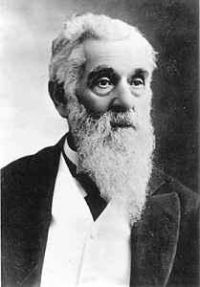
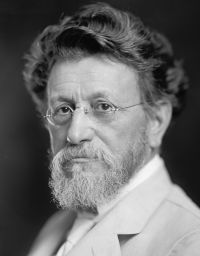
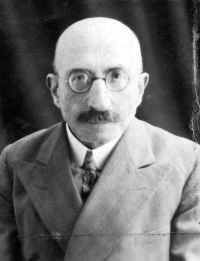
Portrait of William Bennett Munro William Bennett Munro,  Social Civics (1922)

“ Labor in the Old and the New Industrial Order.—So long as the system of hand-industry was in existence there was no sharp division of employers and laborers into two separate classes. The employer was himself a workman at the loom, the bench, or the forge. He might have as helpers a couple of apprentices who were learning the trade, and perhaps a journeyman or two; but rarely were there more than a half dozen men or women employed in a single establishment. ”
Source: Gutenberg

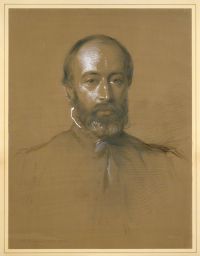
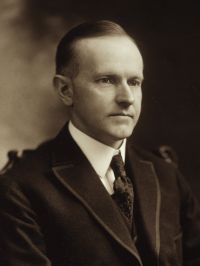
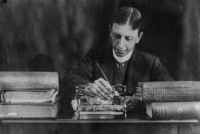
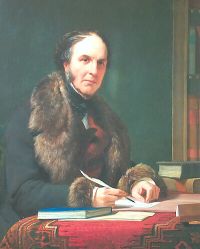
Portrait of Robert Barr Robert Barr,  The Face and the Mask

“ My dear Scriver, you can’t really mean what you say. You know that I hold that all classes of labor should have exactly the same compensation. The miner, the blacksmith, the preacher, the postal clerk, the author, the publisher, the printer—yes, the man who sweeps out the office, or who polishes boots, should each share alike, if this world were what it should be—yes, and what it will be. ”
Source: Gutenberg

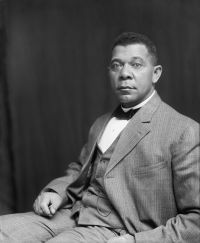
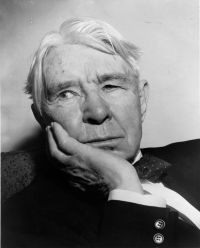
Portrait of Booker T. Washington Booker T. Washington,  Character Building

“ I am speaking, of course, of that class of people of our race who depend mainly upon a day's work—working by the day, as we call it—for their living. These men with whom I talked gave several illustrations of this tendency. In the first place, I think they mentioned, without exception, this fact—that if the coloured people are employed in a factory, they work well and steadily for a few days, say until Saturday night comes, and they are paid their week's wages. ”
Source: Gutenberg

Get perspective with Kwize: daily news enlightened by great literature