Writing technique

Definition and stakes

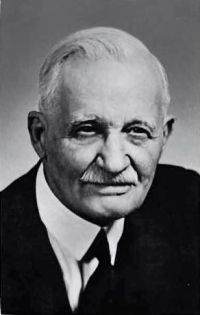
Robert Saunders Dowst,  The Technique of Fiction Writing

“ A few specific bits of advice as to how to go about practicing the art of fiction may not be useless. Technique is conceptive, constructive, and executive, and the beginner should exercise his latent powers in each department.
The technique of conception is practiced unconsciously by anyone who seeks to find a story for writing, but exercise of the conceptive faculty should not be limited to the times when you desire actually to write. You should form a habit of thinking creatively, of mentally shaping into stories the material offered by observation, thought, and reading.
”
Source: Gutenberg

Frederic Taber Cooper,  The Craftsmanship of Writing (1920)

“ But, supposing that a young writer says quite frankly, "I recognise the truth of all you say; I believe in the importance of the Technique of Form, and I want to learn and obey the rules of the best construction. If I try to write a novel, I want it to be a novel in the best sense, and not a string of short stories. If I write a short story, I want to feel sure that it is truly a short story in spirit and inherent purpose, as well as in outward form. ”
Source: Wikisource

Robert Saunders Dowst,  The Technique of Fiction Writing

“ By the very nature of the conceptive process the writer seizes his story ideas in terms of persons, events, or atmosphere. And when he has a definite story idea he first should develop it so as to give it maximum effect, and then should consider whether he must write a short story or novel or romance to give his developed idea adequate expression. The writer who starts with some abstract knowledge of fiction technique, and seeks to vivify rules of construction into a definite story, will accomplish very little. ”
Source: Gutenberg

Get perspective with Kwize: daily news enlightened by great literature