Yoke (animal)

Definition and stakes

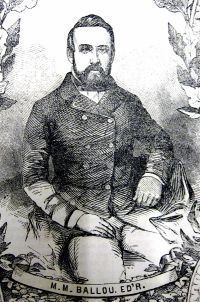
Portrait of Maturin M. Ballou Maturin M. Ballou,  Due South; or, Cuba Past and Present

“ This mode of harnessing certainly seems to enable the oxen to bring more strength to bear upon the purpose for which they are employed than when the yoke is placed, as is the case with us, about the throat and shoulders. The greatest power of horned animals undoubtedly lies in the head and neck, and the question arises whether in placing the yoke on the neck and breast we do not get it out of reach of the exercise of that strength, and cause the animal to draw the load behind him by the mere force of his bodily weight and impetus. ”
Source: Gutenberg

James Law,  Text book of veterinary medicine… (1902)

“ Inflammation of this membrane is usually the result of blows on the horns, and these are much more common among working oxen than dairy cows. The immediate cause is violent contact with the yoke when the head is lowered at pasture, and from blows of a club in the hands of the driver. In countries where the yoke is a broad padded board hung from the horns and resting on the forehead traumatic injuries are much more common. The active and vigorous animal gets the greater part of the work, and the wrench and jar may induce hæmorrhage and catarrh. ”
Source: Gutenberg

Portrait of George Sand George Sand,  Devils Pool (1895)

“ People who are unfamiliar with the country call the love of the ox for his yoke-fellow a fable. Let them come and see in the corner of the stable one of these poor beasts, thin and wasted, restlessly lashing his lean flanks with his tail, violently breathing with mingled terror and disdain on the food offered him, his eyes always turned toward the door, scratching with his hoof the empty place at his side, sniffing the yokes and chains which his fellow used to wear, and incessantly calling him with melancholy lowings. ”
Source: Wikisource

Get perspective with Kwize: daily news enlightened by great literature