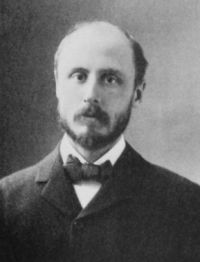
Donald Lemen Clark

Biographical details

Donald Lemen Clark,  Rhetoric and Poetry in the Renaissance

“ Indeed, during the entire English renaissance there was no professional critic. Literary criticism was not a field to be tilled, but a wood to be explored by busy men who could find time for the exploit.
This amateur character of English critics accounts in a measure for the slowness with which classical and Italian renaissance critical theories filtered into England; for a statesman or a soldier is less likely to be up-to-date on theories of poetry than is a professional critic whose business it is to know what is written on his specialty.
”
Source: Gutenberg

Donald Lemen Clark,  Rhetoric and Poetry in the Renaissance

“ But while Sidney made a place for allegory in his scheme of poetry, Jonson does not so much as mention it. His idea of the teaching power of poetry, for to him poetry and painting both behold pleasure and profit as their common object, [420] is rhetorical--depending on precept and example--and attaining its true aim when it moves men to action. Poesy is "a dulcet and gentle Philosophy, which leades on and guides us by the hand to Action with a ravishing delight and incredible Sweetnes." ”
Source: Gutenberg

Donald Lemen Clark,  Rhetoric and Poetry in the Renaissance

“ Without the "movere," the incentive to action, of course poetry could not serve its purpose of moral improvement on which the renaissance so sternly insisted. A reader might enjoy a story, play, or poem which presented impeccable examples of virtue rewarded and vice punished, or which abounded in noble platitudes gilded with wit, and still smile and be a villain. It was thus inevitable that an acceptance of the moral purpose of poetry should sooner or later drive any logical minded critic of poetry completely into the camp of rhetoric. ”
Source: Gutenberg

Get perspective with Kwize: daily news enlightened by great literature