Analects of Confucius

Definition and stakes

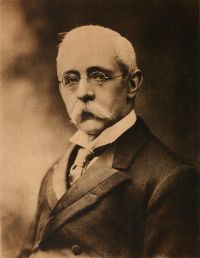
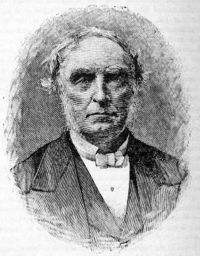
Portrait of James Legge James Legge 1911 Encyclopædia Britannica, Volume 6… (1911)

In the King the references to the Supreme Being are abundant; there is an exulting awful recognition of Him as the almighty personal Ruler, who orders the course of nature and providence. With Confucius the vague, impersonal term, Heaven, took the place of the divine name. There is no glow of piety in any of his sentiments. He thought that it was better that men should not occupy themselves with anything but themselves.
There were, we are told in the Analects, four things of which he seldom spoke—extraordinary things, feats of strength, rebellious disorder and spiritual beings.
Source: Wikisource

Confucius's students Confucian Analects (1872)

Confucius having retired, the minister bowed to Wu-ma Ch'i to come forward, and said, "I have heard that the superior man is not a partisan. May the superior man be a partisan also? The prince married a daughter of the house of Wu, of the same surname with himself, and called her,—'The elder Tsze of Wu.' If the prince knew propriety, who does not know it?"
Source: Wikisource

Confucius's students Confucian Analects (1872)

Confucius said, "There are three things of which the superior man stands in awe. He stands in awe of the ordinances of Heaven. He stands in awe of great men. He stands in awe of the words of sages.
2. "The mean man does not know the ordinances of Heaven, and consequently does not stand in awe of them. He is disrespectful to great men. He makes sport of the words of sages."
Chapter IX. Confucius said, "Those who are born with the possession of knowledge are the highest class of men. Those who learn, and so, readily, get possession of knowledge, are the next.
Source: Wikisource

Get perspective with Kwize: daily news enlightened by great literature