Anglophone

Definition and stakes

P. V. N. Myers,  A General History for Colleges and High Schools…

“ The Language.—From the Norman Conquest to the middle of the fourteenth century there were in use in England three languages: Norman French was the speech of the conquerors and the medium of polite literature; Old English was the tongue of the common people; while Latin was the language of the laws and records, of the church services, and of the works of the learned.
Modern English is the Old English worn and improved by use, and enriched by a large infusion of Norman- French words, with less important additions from the Latin and other languages.
”
Source: Wikisource

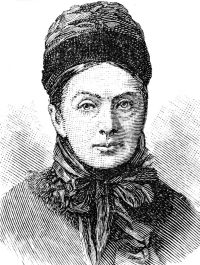
Portrait of Fanny Kemble Fanny Kemble,  Journal of a Residence in America

“ I not only hear the voice of England in the language of this people, but I recognise in all their best qualities, their industry, their honesty, their sturdy independence of spirit, the very witnesses of their origin—they are English; no other people in the world would have licked us as they did; nor any other people in the world built up, upon the ground they won, so sound, and strong, and fair an edifice. ”
Source: Gutenberg

Anna Benneson McMahan,  Shakespeare's Christmas Gift to Queen Bess

“ Of England, is the picture of the hounds with "ears that sweep away the morning dew"; from England, all this out-door woodland life, the clown's play and the clowns themselves,--Bottom with his inimitable conceit, and his fellows, Snug, Quince, and the rest. English is all Puck's fairy lore, the cowslips tall, the red-hipt humble-bee, Oberon's bank, the pansy love-in-idleness, and all the lovely imagery of the verse. ”
Source: Gutenberg

Get perspective with Kwize: daily news enlightened by great literature