Appian Way

Definition and stakes

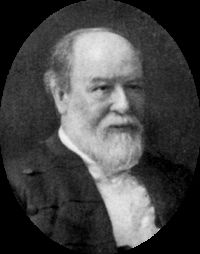
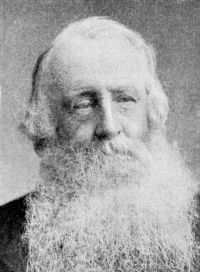
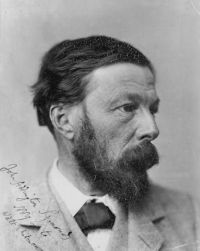
Portrait of Émile Zola Émile Zola,  The Three Cities Trilogy, Complete

“ Ah! that Appian Way, that ancient queen of the high roads, crossing the Campagna in a long straight line with rows of proud tombs on either hand—to Pierre it seemed like a triumphant prolongation of the Palatine. He there found the same passion for splendour and domination, the same craving to eternise the memory of Roman greatness in marble and daylight. Oblivion was vanquished; the dead refused to rest, and remained for ever erect among the living, on either side of that road which was traversed by multitudes from the entire world. ”
Source: Gutenberg

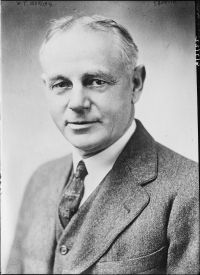
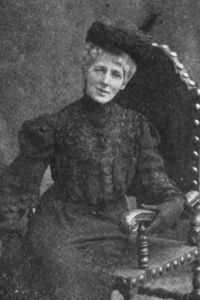
Portrait of Mrs. Hugh Fraser Mrs. Hugh Fraser,  Italian Yesterdays, vol. 1

“ As it was, the classical landmarks were all that the Appian Way held for us, barring one spot, the “Domine, quo vadis?” of St. Peter, which had an unexplained fascination for us all. The Appian Way we loved for the sake of its endless beauties and for the monuments and ruins which were like a compendium of the history of Rome. A writer that I used to admire, though time has robbed me of his name, said that the things he loved best in the world were its high roads ”
Source: Gutenberg

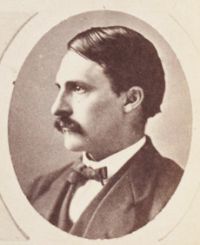
Portrait of Émile Zola Émile Zola,  The Three Cities Trilogy: Rome…

“ It was a return of the times of the Flavians or the Antonines, the palmy years of the empire, when the pomp of the Appian Way, with its grand sepulchres, carved and adorned like temples, attained its apogee. What a monumental Street of Death, what an approach to Rome, that highway, straight as an arrow, where with the extraordinary pomp of their pride, which had survived their dust, the great dead greeted the traveller, ushered him into the presence of the living! ”
Source: Gutenberg

Get perspective with Kwize: daily news enlightened by great literature