Arab traders

Definition and stakes

Jacques W. Redway,  Commercial Geography

“ They are keen, thrifty traders, and as brutal in their instincts as they are keen. The commerce which connects the western part of Asia with Europe is largely of their making. They collect and transport the goods from the interior, delivering them to Jewish and Armenian middlemen, who turn them over to European and American merchants. Arab traders also control the greater part of the commerce of northern Africa. The slave-trade, which is wholly in their hands, is very largely the key to the situation. ”
Source: Gutenberg

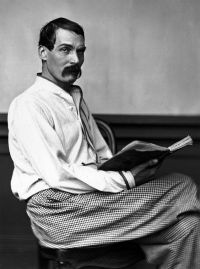
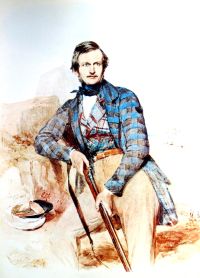
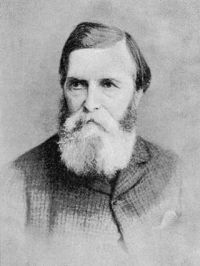
Portrait of R. M. Ballantyne R. M. Ballantyne,  Black Ivory

“ You are aware that Arab traders swarm upon the coast, that they are reckless men, who possess boats and money in abundance, that the trade is very profitable, and that, being to some extent real traders in ivory, palm-oil, indigo, and other kinds of native produce, these men have many ruses and methods—what you English call dodges—whereby they can deceive even the most sharp-sighted and energetic. ”
Source: Gutenberg

Jewett C. Gilson,  Wealth of the World's Waste Places and Oceania

“ As a trader he is unsurpassed, and Arab traders control the interior commerce of western Asia and northern Africa just as the Chinese control the trade of southeastern Asia.
As a Bedouin of the desert the Arab is supreme in his way. Savage and blood-thirsty by nature, if there is no caravan to rob or common enemy to fight, neighboring tribes easily find cause for fighting one another. Usually a quarrel over pasture lands in the same locality furnishes an excuse for a feud that results in the extermination of one tribe or the other.
”
Source: Gutenberg

Get perspective with Kwize: daily news enlightened by great literature