The Aral Sea, once the world’s fourth-largest lake, was a vast saltwater expanse spanning Kazakhstan and Uzbekistan, famed for its numerous islands and rich biodiversity. However, Soviet irrigation initiatives from the 1960s redirected its tributary rivers, leading to its dramatic drying: by the 2010s, it had diminished to just 10% of its original size, fragmenting into isolated basins and leaving ecological devastation in its wake.
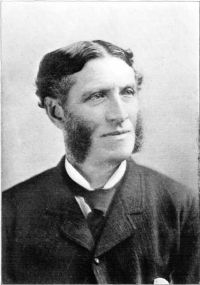
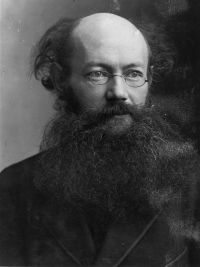
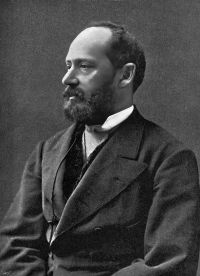
Authors such as Peter Kropotkin analyzed its geography and changing coastlines, while Matthew Arnold invoked its imagery in poetry, and Ármin Vámbéry questioned its historical presence. These diverse viewpoints highlight the Aral Sea’s evolution from a natural marvel to a powerful emblem of human-induced environmental decline, with its impact now documented in both scientific studies and literary works.