Arch of Titus

Definition and stakes

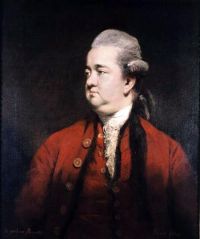
Portrait of Augustus J. C. Hare Augustus J. C. Hare,  Walks in Rome

“ Standing beneath the arch of Titus, and amid so much ancient dust, it is difficult to forbear the commonplaces of enthusiasm, on which hundreds of tourists have already insisted. Over the half-worn pavement, and beneath this arch, the Roman armies had trodden in their outward march, to fight battles, a world's width away. Returning victorious, with royal captives, and inestimable spoil, a Roman triumph, that most gorgeous pageant of earthly pride, has streamed and flaunted in hundred-fold succession over these same flagstones, and through this yet stalwart archway. ”
Source: Gutenberg

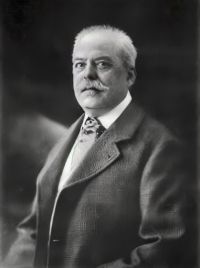
J. A. Wylie,  Pilgrimage from the Alps to the Tiber

“ The tombs of the Cæsars are empty now, and their ashes have been scattered long since over the soil of Rome. Of the many beautiful edifices that stood around this plain, not one remains entire: a few mouldering columns, half buried in rubbish, or dug out of the soil, only remain to show where temples stood. But there is one little arch which has survived that dire tempest of ruin in which temple and tower went down,—the Arch of Titus, which has sculptured upon its marble the sad story of the fall of Jerusalem and the captivity of the Jews. ”
Source: Gutenberg

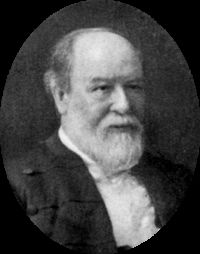
Charles Herbert Moore,  Character of Renaissance Architecture (1905)

“ The Arch of Titus is the finest in proportions of all the Roman triumphal arches, and the grandest in monumental simplicity. Sansovino's changes and ornamental additions spoil the composition, and do not fit the design for the building to which it is attached. Such a design could not have any proper relationship to such a building. To attach any sort of a Roman triumphal arch scheme to the base of a mediæval tower is an architectural absurdity. ”
Source: Wikisource

Get perspective with Kwize: daily news enlightened by great literature