Aristodemus

Definition and stakes

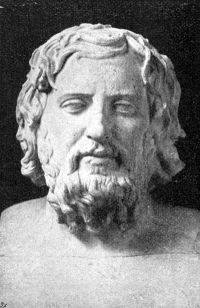
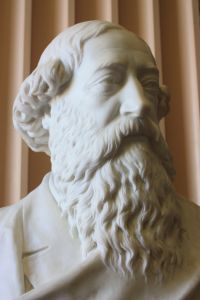
T. L. Haines,  Museum of Antiquity: A Description of Ancient Life

“ And what then, Aristodemus! Supposest thou, that when the gods give out some oracle to all the Athenians, they mean it not for thee? If, by their prodigies, they declare aloud to all Greece—to all mankind—the things which shall befall them, are they dumb to thee alone? And art thou the only person whom they have placed beyond their care? Believest thou they would have wrought into the mind of man a persuasion of their being able to make him happy or miserable, if so be they had no such power? ”
Source: Gutenberg

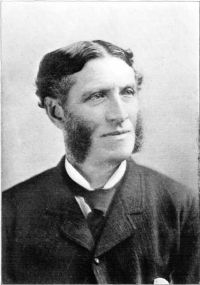
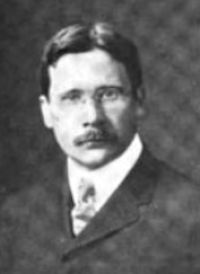
Portrait of John Stuart Blackie John Stuart Blackie,  Four Phases of Morals: Socrates…

“ There was one Aristodemus, a little man, well known in Athens, not only as one who never either sacrificed to the gods or used divination, but as laughing and jeering at those who did so. This man Socrates one day happened to meet, and knowing his tendencies addressed him at once thus. Tell me, Aristodemus, are there any persons whom you admire particularly for their wisdom? ”
Source: Gutenberg

T. L. Haines,  Museum of Antiquity: A Description of Ancient Life

“ For, if the body of the ox had been joined to the mind of man, the acuteness of the latter would have stood him in small stead, while unable to execute the well-designed plan; nor would the human form have been of more use to the brute, so long as it remained destitute of understanding! But in thee, Aristodemus, hath been joined to a wonderful soul, a body no less wonderful, and sayest thou, after this, 'the gods take no thought for me!' What wouldst thou, then, more to convince thee of their care? ”
Source: Gutenberg

Get perspective with Kwize: daily news enlightened by great literature