Armentières

Definition and stakes

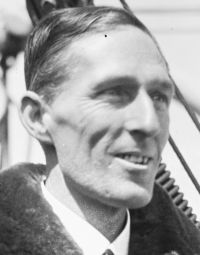
Portrait of Philip Gibbs Philip Gibbs From Bapaume to Passchendaele, 1917

This dog's fidelity to the paralysed boy, who was deaf and dumb and gassed, seems to men who have seen many sights of war and this agony in Armentières the most pitiful thing they know.
Yesterday, apart from the knocking of anti-aircraft guns and the drone of our planes, it was all quiet there, and I walked through the silent streets over the broken bricks and glass, and was startled by the utter death of the town. For this quietude and ruin of a place that one has seen full of life gives one a sinister sensation, and one is frightened by one's loneliness.
Source: Gutenberg

Laurie Magnus The West Riding Territorials in the Great War (1920)

The German advance on April 9th between Armentières and the La Bassée Canal had bulged in the line by that evening to a distance of three to five miles. Next day, the attack was extended North of Armentières to Wytschaete and Hollebeke, and the enemy gains were extended. The 34th Division in Armentières, though not yet attacked [183] on their own front, had their two flanks dangerously exposed, and were withdrawn in a North-westerly direction, reaching a stopping-place at Nieppe.
Source: Gutenberg

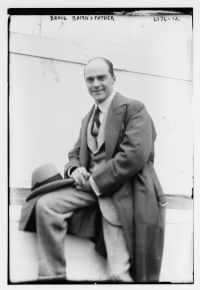
Portrait of Bruce Bairnsfather Bruce Bairnsfather Bullets & Billets

After a day spent in Armentières we were told to stand by for going back towards Neuve Eglise again, just the direction from which we had come. We all knew too much about the war to be surprised at anything, so we mutely prepared for another exit. It was a daylight march this time, and a nice, still, warm day. Quite a cheery, interesting march we had, too, along the road from Armentières to Neuve Eglise. We were told that we were to march past General Sir Horace Smith Dorrien, whom we should find waiting for us near the Pont de Nieppe—a place we had to pass en route.
Source: Gutenberg

Get perspective with Kwize: daily news enlightened by great literature