Arunta

Definition and stakes

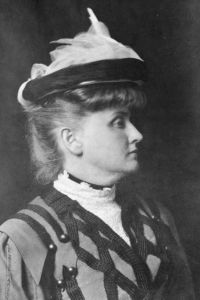
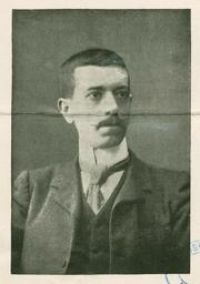
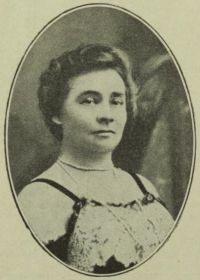
Portrait of K. Langloh Parker K. Langloh Parker,  The Euahlayi Tribe: A Study of Aboriginal Life in Australia

“ Each Arunta child, by that philosophy, has been in being since the Alcheringa: his mother of the moment only reproduces him, after 'preparation.' He is not a new thing; he is as old as the development of organic forms. This is the Arunta belief, and I must reckon it as not more primitive than the peculiar philosophy of reincarnation of ancestral spirits. Certainly such an elaborate philosophy manifestly cannot be primitive. It is, however, the philosophy of the tribes from the Urabunna, on Lake Eyre (with female descent of the totem) , to the most northerly tribes, with male descent. ”
Source: Gutenberg

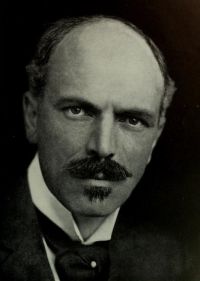
Portrait of Andrew Lang Andrew Lang,  1911 Encyclopædia Britannica (1911)

“ Men and women of the same totem may intermarry, their children need not belong to the totem of either father or mother.
The process by which Arunta totems came thus to differ from those of all other savages is easily understood. Like the other tribes from the centre to the north (including the Urabunna nation, which reckons descent through women) , the Arunta believe that the souls of the primal semi-bestial ancestors of the Alcheringa or “dream time” are perpetually reincarnated.
”
Source: Wikisource

Portrait of Andrew Lang Andrew Lang,  The Making of Religion

“ Spencer and Gillen is exhaustive, and granting that (as Mr. J.G. Frazer holds, in his essays in the 'Fortnightly Review,' April and May, 1899) the Arunta are the most primitive of mortals, it will seem to follow that the moral attributes of Baiame and other gods of other Australian regions are later accretions round the form of an original and confessed bugbear, as among the primitive Arunta, 'a bogle of the nursery,' in the phrase repudiated by Maitland of Lethington. ”
Source: Gutenberg

Get perspective with Kwize: daily news enlightened by great literature