Cosmopolitanism

Definition and stakes

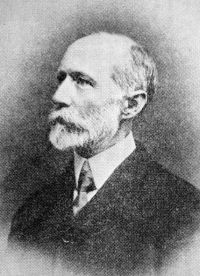
Portrait of J. A. Cramb J. A. Cramb,  The Origins and Destiny of Imperial Britain

“ Such manifestations of heroism and of a zealous ardour, unexampled in its extent and its intensity, offer assuredly, I repeat, some augury, some earnest of that which is to come, some pledge to the new century rising like a planet tremulous on the horizon's verge.
But a widespread error still confounds this imperial patriotism with Cosmopolitanism, this resolution of a great people with Jingoism. Now what is Cosmopolitanism? It is an attitude of mind purely negative; it is a characteristic of protected nationalities, and of decayed races.
”

Source: Gutenberg

Walter John Clark,  International Language, Past, Present & Future

“ After twenty-nine years of daily developing cosmopolitanism—years that have witnessed the rising of a new star in the East and an uninterrupted growth of interchange of ideas between the nations of the earth, whether in politics, literature, or science, without a single check to the ever-rising tide of internationalism—are we again to let the favourable moment pass unused, just for want of making up our minds? At present one language holds the field. ”
Source: Gutenberg

Jr. Thomas Dixon,  The Leopard's Spots: A Romance of the White Man's Burden…

“ I love mine own people. Their past is mine, their present mine, their future is a divine trust. I hate the dish water of modern world-citizenship. A shallow cosmopolitanism is the mask of death for the individual. It is the froth of civilisation, as crime is its dregs. Race, and race pride, are the ordinances of life. The true citizen of the world loves his country. His country is a part of God’s world.
“So I confess I love my people. I love the South,—the stolid silent South, that for a generation has sneered at paper-made policies, and scorned public opinion.
”
Source: Gutenberg

Get perspective with Kwize: daily news enlightened by great literature