“ Far off and strange, a voice is in my ear, And is the voice my own? the words I say Fall strangely, like a dream, across the day; And the dim sunshine is a dream. How clear, New as the world to lovers’ eyes, appear The men and women passing on their way!The world is very fair. The hours are all Linked in a dance of mere forgetfulness. I am at peace with God and man. O glide, Sands of the hour-glass that I count not, fall Serenely: scarce I feel your soft caress. Rocked on this dreamy and indifferent tide. JAVANESE DANCERS,TWITCHED strings, the clang of metal, beaten drums. ”
Jingoism
Definition and stakes
Jingoism, a fervent form of nationalism often expressed through exaggerated patriotic rhetoric, finds literary parallels in the rhythmic and rhyming techniques employed by authors such as G. K. Chesterton and Winifred Sackville Stoner, who emphasize the capacity of jingles to communicate ideas through melody and repetition.
While Chesterton critiques the nursery rhyme’s “lilt and jingle” as both artistic and lasting, Stoner highlights their effectiveness in teaching children, merging factual content with playful cadence. These viewpoints demonstrate how jingoistic sentiment, though not explicitly labeled, can be woven into the rhythm of verse, mirroring broader cultural concerns about national identity and imperial pride. The theme thus intertwines linguistic craftsmanship with the ideological currents of its time.
Quotes about “jingoism”
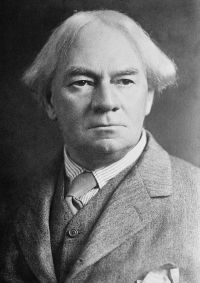
 G. K. Chesterton,
Fancies versus fads
(1923)
G. K. Chesterton,
Fancies versus fads
(1923)
“ The romance of rhyme does not consist merely in the pleasure of a jingle, though this is a pleasure of which no man should be ashamed. Certainly most men take pleasure in it, whether or not they are ashamed of it. We see it in the older fashion of prolonging the chorus of a song with syllables like "rumty tumty" or "tooral looral." ”
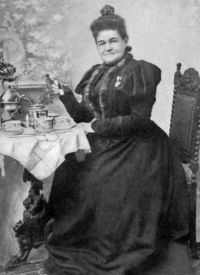
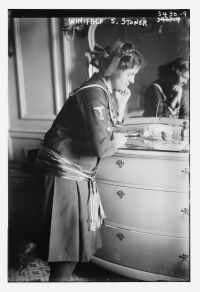 Winifred Sackville Stoner,
Facts in Jingles
Winifred Sackville Stoner,
Facts in Jingles
“ Rhyme and rhythm seem to furnish to the young mind an easy and effective method of relating and expressing facts ordinarily dissociated from anything of interest to a child. As long as such facts are presented to the young in home and school, the jingle will prove of service to teachers and parents, and of interest and value to children. In addition, some of these jingles will delight the young merely because of their rhythmical quality, while others will afford amusement because of the humorous interpretation they put on many of the events that are daily experienced by children everywhere. ”