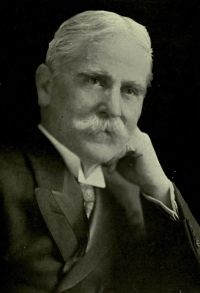
The term "allegro," originating from Italian and indicating a brisk musical pace, is a fundamental element in both classical and contemporary music, representing not only swiftness but also expressive vigor. Authors such as Edward Baxter Perry emphasize its dynamic force, characterizing it as "full of fire, energy, and restless striving," while George Frideric Handel and Charles Jennens incorporate it directly into their work L'Allegro, contrasting it with opposing emotional states.
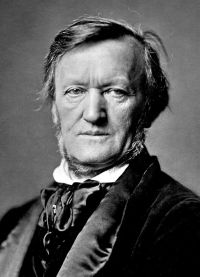
Karl Wilson Gehrkens explores its refined variations, such as "Allegro con spirito" or "Allegro furioso," underscoring its significance in communicating style and intensity. Richard Wagner highlights its interpretive adaptability, suggesting a "milder adjustment" of its rhythm to suit the emotional setting. These viewpoints collectively demonstrate that allegro functions as a tempo indication that goes beyond mere velocity, encapsulating a range of expressive and structural roles across various musical traditions.