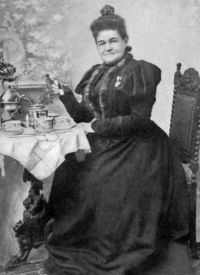
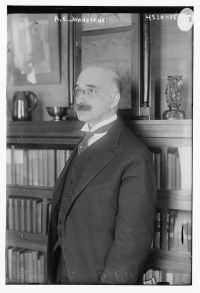
A jingle denotes a rhythmic, often rhyming phrase or sound, serving as a literary device to evoke musicality, mnemonic utility, or whimsy. Authors have explored this theme through diverse perspectives: G. K. Chesterton celebrated its playful role in nursery rhymes, emphasizing their enduring charm and structural simplicity, while Winifred Sackville Stoner underscored its educational value in engaging children with factual knowledge through rhythm.
Meanwhile, Charles Johnston evoked its sensory resonance in describing the "harmonious jingle" of bells, illustrating its ability to transcend language. These varied approaches reveal the jingle as a multifaceted tool, bridging art, learning, and the tangible world.