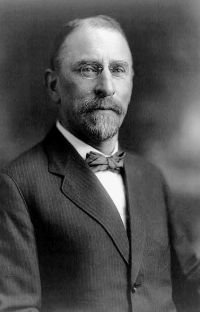
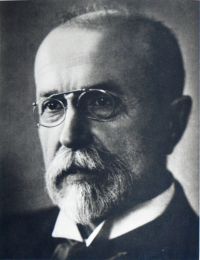
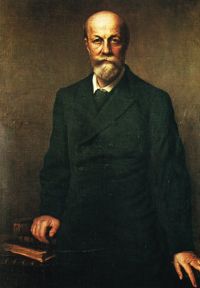
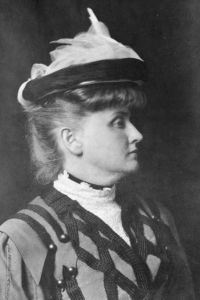
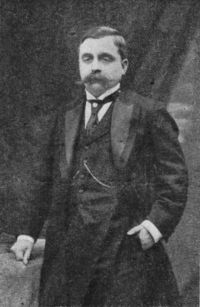
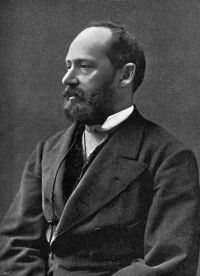
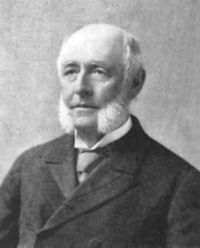
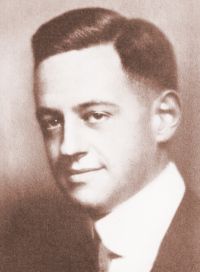
The Austro-Hungarian Empire, a dual monarchy from 1867 to 1918, brought Austria and Hungary together under a single sovereign while maintaining separate legal and administrative structures. Historians such as Herbert Adams Gibbons underscored its political and economic strength, pointing out the interdependence of its parts despite cultural differences.
Frederic Austin Ogg focused on the constitutional assurances of Hungary’s self-governance, while Hilaire Belloc examined the strategic weakness of its relationship with Germany. J. N. Larned criticized Austria’s policies of Germanization, highlighting the tensions that troubled the empire. These viewpoints collectively portray a multifaceted entity struggling with internal conflicts and external challenges, ultimately influencing its path toward collapse.
 Woodrow Wilson,
In our first year of war