Battle of Camden

Definition and stakes

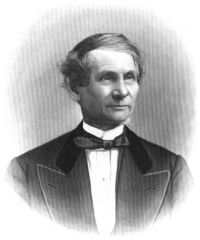
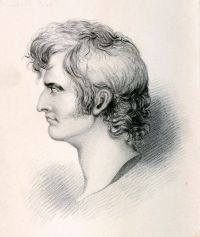
Portrait of John Pendleton Kennedy John Pendleton Kennedy Horse-Shoe Robinson: A Tale of the Tory Ascendency

The tidings of the battle of Camden, gained on the sixteenth, and which had early this morning reached Innis, threw a spirit of the highest exultation into the camp. The event was considered decisive of the fate of the rebel power; and the most extravagant anticipations were indulged by the loyalists, in regard to the complete subjugation of the Whigs of the southern provinces. The work of confiscation was to be carried out to the most bitter extreme, and the adherents of the royal government were to grow rich upon the spoils of victory.
Source: Gutenberg

Catherine Albertson In Ancient Albemarle

Two days after the battle of Camden, the patriots, Shelby, Clarke and Williams, defeated a band of Tories at Musgrove's Mill in South Carolina; but hearing of the disaster at Camden, these officers now withdrew from the State. Sumter's corps, near Rocky Mount, had been put to flight by Tarleton, Gates had fled the State, and only Davie's men were left between the army of Cornwallis and Charlotte, North Carolina.
Had the British General pressed on into the State, North Carolina must have inevitably fallen into the hands of the enemy.
Source: Gutenberg

Various Graham's Magazine, Vol. XXXVI, No…

He therefore gave orders to prepare for battle, and in the evening of the 15th put his army in motion to attack his enemy next morning in his position at Rudgely’s Mill. Having placed Camden in the care of Major McArthur, with the convalescents, some of the militia, and a detachment of regulars expected in the course of the day, he moved at the hour of ten at night, in two divisions. The front division, composed of four companies of light infantry, with the twenty-second and twenty-third regiments, was commanded by Lieutenant-colonel Webster.
Source: Gutenberg

Get perspective with Kwize: daily news enlightened by great literature