“ EYLAU. THE MARE LISETTEGENERAL MARBOT, one of Napoleon's most distinguished soldiers, thus describes his adventures at the battle of Eylau. 'To enable you to understand my story, I must go back to the autumn of 1805, when the officers of the Grand Army, among their preparations for the battle of Austerlitz, were completing their outfits. I had two good horses, the third, for whom I was looking, my charger, was to be better still. It was a difficult thing to find, for though horses were far less dear than now, their price was pretty high, and I had not much money ”
Battle of Eylau
Definition and stakes
The Battle of Eylau, fought in February 1807 during the War of the Fourth Coalition, marked a crucial yet inconclusive confrontation between Napoleon’s Grande Armée and Russian forces under Bennigsen. Although tactically inconclusive, it dispelled the myth of Napoleon’s invincibility, as both sides endured significant losses.
Military theorists such as Clausewitz and Jomini examined its strategic implications, while contemporaries like Marbot and Dodge described its intense brutality. The engagement highlighted the endurance of Russian soldiers and the vital importance of artillery, influencing later campaigns such as Friedland. Its legacy lies in its sharp contrast to Napoleon’s earlier victories, exposing the boundaries of his supremacy.
Quotes about “Battle of Eylau”
Anonymous, Cassell's History of England, Vol…
“ But he was not allowed to occupy this position without several brisk encounters, in which the Russians lost upwards of three thousand men. The battle of Eylau took place on the 7th of February. It was such a check as Buonaparte had never yet experienced. He had been beaten at every point; Augereau's division was nearly destroyed; that of Davoust, nearly twenty thousand in number, had been repulsed by a much inferior body of Prussians. Fifty thousand men are said to have been killed and wounded, of whom thirty thousand were French. ”
“ There was Jena, where so many of Prussia’s bravest found a grave; at first the red flames of musketry flashing through the October mists, and Ney’s impatience, near spoiling all until Augereau comes wheeling into line and saves him; the fierce charge that tore the enemy’s center in twain, and finally panic, the headlong rout of their boasted cavalry, whom our hussars mow down like ripened grain, strewing the romantic glen with a harvest of men and horses. And Eylau, cruel Eylau, bloodiest battle of them all, where the maimed corpses cumbered the earth in piles ”
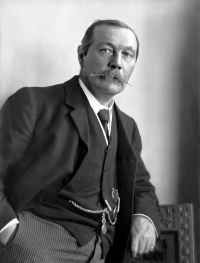
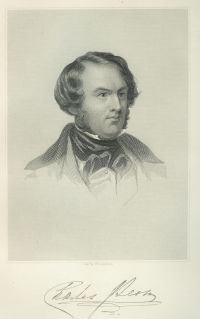
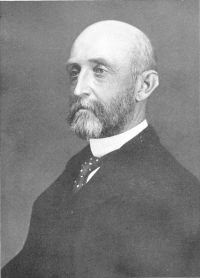
Related terms
Authors who wrote about “Battle of Eylau”
baron de Antoine Henri Jomini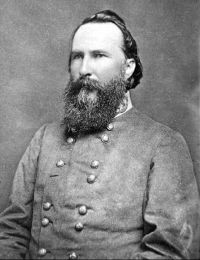 James LongstreetHenry C. Watson
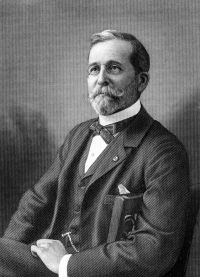 Theodore Ayrault Dodge
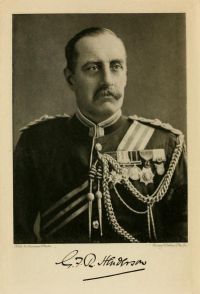 G. F. R. HendersonEmperor of the French Napoleon I
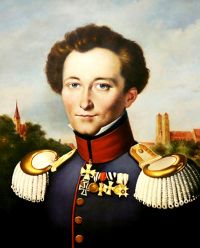 Carl von Clausewitz
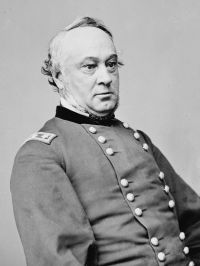 H. W. HalleckMontgomery B. Gibbs
 Benjamin F. Gue
 J. Holland RoseVarious
 Leslie StephenAnonymous
 Émile ZolaGeorge Francis Robert Henderson and Thomas BarclayL. MühlbachW. Lloyd Bevan
 Paul Bourget
 Edmond About
James LongstreetHenry C. WatsonTheodore Ayrault DodgeG. F. R. HendersonEmperor of the French Napoleon ICarl von ClausewitzH. W. HalleckMontgomery B. GibbsBenjamin F. GueJ. Holland RoseVariousLeslie StephenAnonymousÉmile ZolaGeorge Francis Robert Henderson and Thomas BarclayL. MühlbachW. Lloyd BevanPaul BourgetEdmond About