Beja people

Definition and stakes

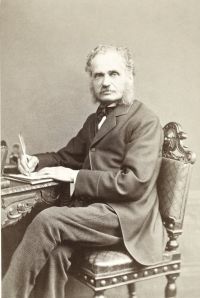
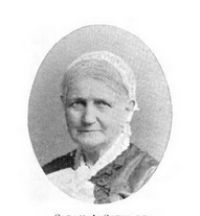
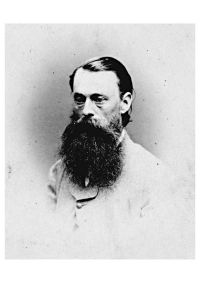
Portrait of Élisée Reclus Élisée Reclus,  Africa by Élisée Reclus/Volume 1 (1892)

“ The henpecked man who seeks the assistance of a woman is sure of finding in her an indefatigable defender. The social status of the Beja woman evidently points to a former matriarchal government. The Arab authors who spoke of the Bejas of the tenth to the fourteenth century, relate that these people reckoned their genealogies from the side of the women, and that the inheritance passed from the son to the sister and from her to the daughter to the exclusion of the sons. ”
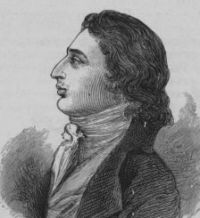
Source: Wikisource

1911 Encyclopædia Britannica (1910)

“ Most of the tribes are nomadic shepherds, driving their cattle from pasture to pasture; some few are occupied in agriculture.
They are polygynous, but, unlike the Arabs, great independence is granted their women. Among most of the Beja peoples the wife can return to her mother’s tent whenever she likes, and after a birth of a child she can repudiate the husband, who must make a present to be re-accepted. Cases are said to have occurred where the woman has thus obtained all her husband’s possessions. The whole social position of the Beja women points, indeed, to an earlier matriarchal system.
”
Source: Wikisource

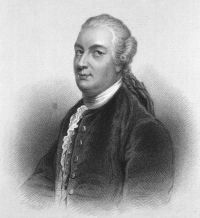
Portrait of Robert Southey Robert Southey,  History of the Peninsular War, Volume 2…

“ It stood on the highest part of an elevated and extensive plain, conspicuous from a distance, and commanding a wide prospect on all sides, the heights of Palmella and even of Cintra being distinctly visible. The immediate country, where it is cultivated, is fertile, and the situation in high repute for its salubrity. Eventful as the history of Beja had been, it was now to undergo as severe a calamity as any with which it had been visited in the unhappiest ages of Spain. ”
Source: Gutenberg

Get perspective with Kwize: daily news enlightened by great literature