Benedict of Nursia

Definition and stakes

J. H. Kurtz Church History (Volumes 1-3)

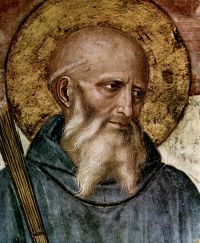
The one source of information regarding the life of Benedict of Nursia is the miracle-laden record of the miracle-loving pope Gregory the Great in the second book of his Dialogues. Benedict’s Rule comprises 73 chapters. The first principle of the monastic life is obedience to the Abbot, as representative of Christ. The choice of abbot lies with the brothers. Of serving brothers the rule knows nothing. The chief occupation is agriculture. Idleness is strictly forbidden. Charge of the kitchen and reading at table are duties performed by all the monks in turn week about.
Source: Gutenberg

Select Historical Documents of the Middle Ages (1892)

Benedict of Nursia was born near Rome at the end of the fifth century. When a boy of fourteen he renounced the world, and, after many changes of abode, finally settled at Monte Cassino, and became the founder of that famous monastery, destroying the temple of Apollo that stood on its site. Benedict died in 543 A.D. Pope Grregory the Great (594-604) , the first real organizer among the popes, pressed the monks into the service of the church. It was the Rule of Benedict that he chose for his guidance, imposing it on a monastery that he himself had founded in Rome.
Source: Wikisource

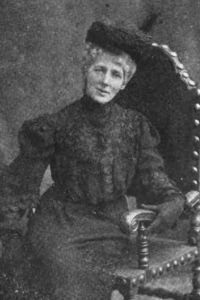
Portrait of Henry Osborn Taylor Henry Osborn Taylor The Mediaeval Mind (1911)

All Frankish monasteries were therein commanded to observe the regula of Benedict of Nursia, with many further precepts set by him of Aniane, aggravating the severity of the older rule; for example, by enforcing a more rigid silence among the monks when at labour, and restricting their intercourse with the laity. Great stress was laid upon the labours of the field.
Source: Wikisource

Get perspective with Kwize: daily news enlightened by great literature