Black Hole of Calcutta

Definition and stakes

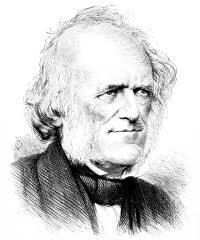
Various Popular Science Monthly (1914)

The strongest sought death—some by praying for the hastening of the end; some by heaping insults upon the guards to try to induce them to shoot. But all efforts for relief were in vain, until at last bodily and mental agony was followed by stupor. This tragedy of the Black Hole of Calcutta will ever remain as the most drastic demonstration in human history of the bondage of man to the air that surrounds him.
Source: Wikisource

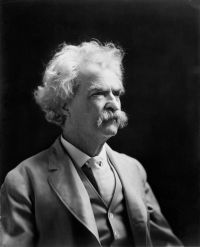
Portrait of Mark Twain Mark Twain Following the Equator: A Journey Around the World…

When India is mentioned to the citizen of a far country it suggests Clive, Hastings, the Mutiny, Kipling, and a number of other great events; and the mention of Calcutta infallibly brings up the Black Hole. And so, when that citizen finds himself in the capital of India he goes first of all to see the Black Hole of Calcutta—and is disappointed.
Source: Gutenberg

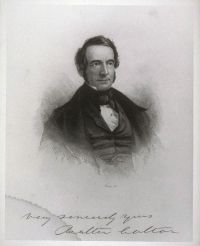
Benjamin Waterhouse A journal, of a young man of Massachusetts…

The horrors of the Black Hole of Calcutta have been long celebrated, because Englishmen suffered and perished in it. Now the English have more than a thousand black holes into which they unfeelingly thrust their impressed men, and their prisoners of war. Their tenders that lay in the Thames, off Tower-wharf, are so many black holes into which they thrust their own people, whom their press gangs seize in the streets of London, and crowd into them like so many live rabbits or chickens carrying in a cart to market.
Source: Gutenberg

Get perspective with Kwize: daily news enlightened by great literature