Brahmo Samaj

Definition and stakes

Francis Bradley Bradley-Birt,  Twelve Men of Bengal in the Nineteenth Century (1910)

“ Finally breaking with the old Samaj under Devendra Nath Tagore, Keshub Chandra Sen founded the new Brahmo Samaj of India on November the 11th, 1860. The new Samaj was to be on the broadest lines and open to any human being no matter what his creed or caste might be. One of its main objects was to include among its members men of all nationalities and races. ”
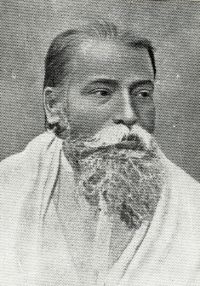
Source: Wikisource

R. V. Russell,  The Tribes and Castes of the Central Provinces of India…

“ The leaders of the Brahmo Samāj were men of higher intelligence and ability than he, and after scrupulously fair and impartial inquiry were led to deny the infallibility of the Vedas, while they also declined to recognise caste. But by so doing they rendered it impossible for a man to become a Brahmo and remain a Hindu, and their movement has made little headway. By retaining the tenet of the divine authority of the Vedas, Dayānand made it possible for educated Hindus to join his sect without absolutely cutting themselves adrift from their old faith. ”
Source: Gutenberg

| editor,  The Modern Review, Volume 38, Number 3… (1925)

“ That is why we find him early in his career delivering speeches on the lives of Buddha, Chaitanya and some of the Sikh Gurus. In fact, it was the same wave of the ideal of human liberation which gave an impetus to the work of the Brahmo Samaj that moved Surendranath also to work for human freedom. The Brahmo Samaj, being primarily a religious body, approached the problem of emancipation from the side of spiritual and moral awakening and social reform, whilst Surendranath tackled the problem from the political view-point. ”
Source: Wikisource

Get perspective with Kwize: daily news enlightened by great literature