“ BUGIS, n.p. Name given by the Malays to the dominant race of the island of Celébes, originating in the S.-Western limb of the island; the people calling themselves Wugi. But the name used to be applied in the Archipelago to native soldiers in European service, raised in any of the islands. Compare the analogous use of Telinga (q.v.) formerly in India. [1615.—"All these in the kingdom of Macassar ... besides Bugies, Mander and Tollova."—Foster, Letters, iii. 152.] ”
Bugis
Definition and stakes
The Bugis, a prominent ethnic group historically linked to the island of Celebes (modern Sulawesi), have been recognized for their cultural uniqueness and social organization. Scholars such as A. C. Burnell noted the term's use in the archipelago, while E. Alexander Powell emphasized their political endurance, pointing to female leaders who resisted colonial forces.
Albert Smith Bickmore highlighted their role as maritime traders, drawing comparisons to the seafaring traditions of historical Malay societies. These viewpoints together illustrate the Bugis' lasting importance as both cultural preservers and influential figures in Southeast Asian history.
Quotes about “Bugis”
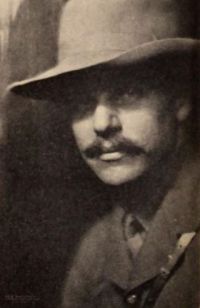 E. Alexander Powell,
Where the Strange Trails Go Down
E. Alexander Powell,
Where the Strange Trails Go Down
“ In several of the eight petty states which comprise the confederation of Boni the ruler is not infrequently a woman, the female line having precedence over the male line in succession to the throne. The women rulers of the Bugis have invariably shown themselves as astute, capable and warlike as the men, the princess who ruled in Boni during the middle of the last century having defeated three powerful military expeditions which the Dutch sent against her. Everything considered, the Bugis are perhaps the most interesting race in the entire archipelago. ”
 Albert Smith Bickmore,
Travels in the East Indian archipelago
(1868)
Albert Smith Bickmore,
Travels in the East Indian archipelago
(1868)
“ Many go every year to the islands off the eastern end of Ceram and to the neighboring coast of Papua, and sometimes along its northern shores to Geelvink Bay. These long voyages indicate that the Bugis are now what the Malays were when the Portuguese first came to the East, namely, the great navigators and traders of the archipelago. They carry to all these localities English calicoes and cotton goods of their own manufacture, also Chinese gongs and large quantities of arrack. ”