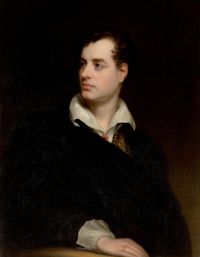
Byronic hero

Definition and stakes

Randolph Faries,  Ancient Rome in the English novel… (1923)

“ She develops the description of those aspects of nature which later impressed Byron, and is undoubtedly the creator of the “Byronic hero.” Her “Schedoni” is in all essentials Byron’s “Lara,” an individual apart from other men, with a certain nobility of his own and a “vital scorn of all.” Lord Byron and his school reproduced certain elements of the “Gothic” romance, and in turn had an influence on the novel. The “Byronic hero” and the Byronic passion for the terrible aspects of nature will appear in the novel of Roman life and assume a prominent position. ”
Source: Gutenberg

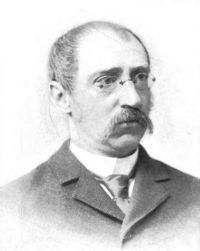
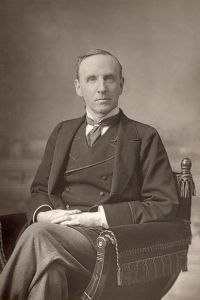
Portrait of William J. Long William J. Long,  Outlines of English and American Literature

“ One significant quality of these long poems is that they are intensely personal, voicing one man's remorse or rebellion, and perpetually repeating his "Vanity of vanities, all is vanity!" They are concerned with the same hero (who is Byron under various disguises) and they picture him as a proud, mysterious stranger, carelessly generous, fiendishly wicked, profoundly melancholy, irresistibly fascinating to women. Byron is credited with the invention of this hero, ever since called Byronic ”
Source: Gutenberg

Get perspective with Kwize: daily news enlightened by great literature