Byzantine Christianity

Definition and stakes

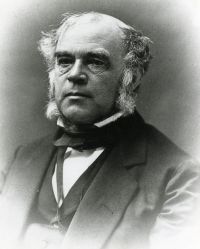
Portrait of J. M. Robertson J. M. Robertson,  A Short History of Christianity

“ Of the moral and intellectual unprogressiveness of Byzantium we may say, finally, that the Christian State, like those of the Saracens and the Turks, was in large measure kept stationary precisely by the relation of constant strife set up by the existence of the enemy. Each was the curse of its antagonist. And Christianity did no more to raise men above that deadlock of enmity than did Islam; nay, the further factor of Byzantine isolation represented by the rupture between the Greek and Latin Churches was a special product of the Christian system. ”
Source: Gutenberg

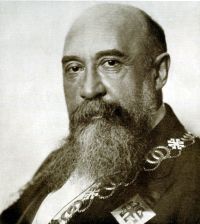
Thomas Caldecot Chubb,  The Byzantines (1959)

“ The Byzantine Empire was much more than just one half of the old Roman Empire dragging out its days for another thousand years. It was a new Roman Empire based on Christianity. Practically every Byzantine was a Christian, and so it was Christianity that united all the many races and languages into a single people. In spite of all the arguments about this doctrine and that doctrine, practically every Byzantine believed in the official Orthodox faith, and as the emperor was head of this faith, that gave him additional power. ”
Source: Gutenberg

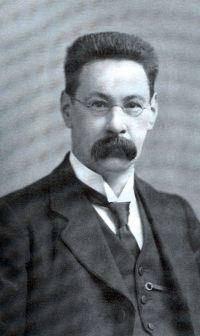
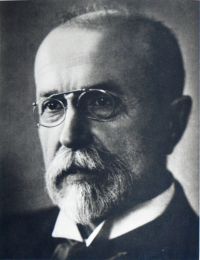
Portrait of Tomáš Garrigue Masaryk Tomáš Garrigue Masaryk,  The New Europe (1917)

“ The introduction of Christianity and the Byzantine Church tended to confirm this state of affairs, for they, too, were conservative and rigid—qualities which were forced upon them at the time of the break-up of the Roman Empire, and of the changes consequent on the steady migration of many peoples from East to West, and from North to South. Byzantine Christianity, which was a theocracy, was the one unchanging institution, the one token of stability in that ever-changing world. ”
Source: Wikisource

Get perspective with Kwize: daily news enlightened by great literature