Celtic peoples

Definition and stakes

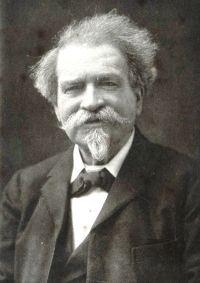
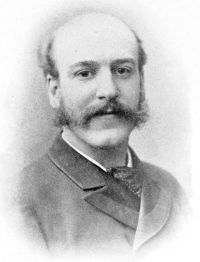
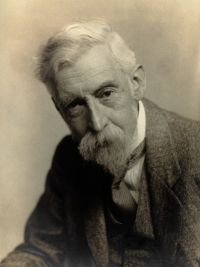
Lyra Celtica: An Anthology of Representative Celtic Poetry

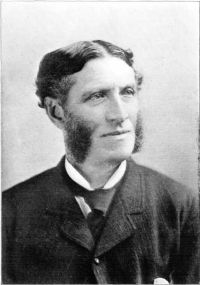
“ Restricted by conquest to forgotten isles and peninsulas, the Celtic race has habitually striven to oppose an impassable barrier to all alien influences. It has ever trusted in itself, and in itself alone, and has drawn its mental and spiritual nurture from its own resources.
Hence that powerful individuality, that hatred of the stranger, which up to our day has formed the essential characteristic of the Celtic peoples. The civilisation of Rome hardly reached them, and left among them but few traces. The Germanic invasion flowed back on them, but it did not affect them at all.
”
Source: Gutenberg

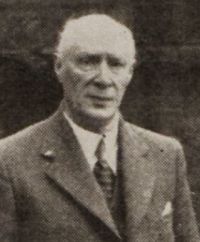
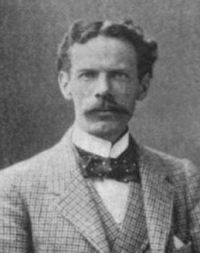
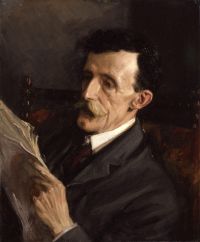
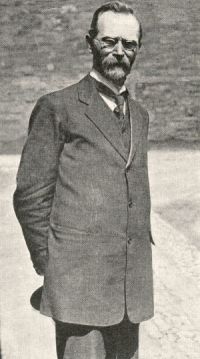
Portrait of Eoin Mac Neill Eoin Mac Neill,  Phases of Irish History

“ By what criterion do we recognise any ancient population to have been Celts? The answer is undoubted—every ancient people that is known to have spoken any Celtic language is said to be a Celtic people. The term Celtic is indicative of language, not of race. We give the name Celts to the Irish and the Britons because we know that the ancient language of each people is a Celtic language.
A certain amount of enthusiasm, culminating in what is called Pan-Celticism, has gathered around the recognition of this fact that the Irish, the Gaels of Scotland, the Welsh and the Bretons are Celtic peoples.
”
Source: Gutenberg

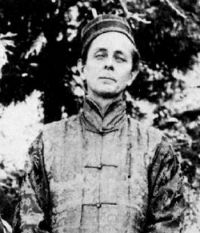
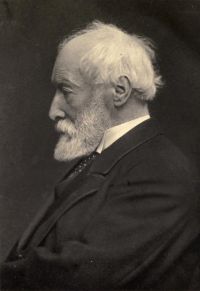
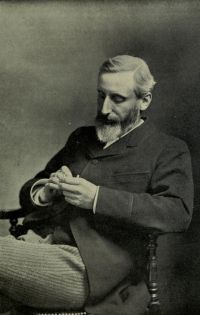
Portrait of W. Y. Evans-Wentz W. Y. Evans-Wentz,  The Fairy-Faith in Celtic Countries

“ On the other hand, in a second aspect, the Celtic beliefs show of themselves a character which is wholly Celtic: in the Fairy-Faith, which is generically animistic, we find reflected all sorts of specific characteristics of the Celtic peoples—their patriotism, their peculiar type of imagination, their costumes, amusements, household life, and social and religious customs generally. ”
Source: Gutenberg

Get perspective with Kwize: daily news enlightened by great literature