Chemical Society

Definition and stakes

Various,  Popular Science Monthly (1903)

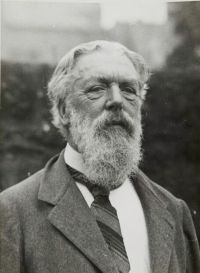
“ The address of Professor F. W. Clarke to the American Chemical Society, given December 30, 1901, on 'The Development of Chemistry' deals with the four principal agencies that have been instrumental in building the chemical structure of to-day; these are: private enterprise, the commercial demand, governmental requirements, and university teaching. At the beginning all these agencies had not been established, the two great stimuli to chemical research were the intellectual interest of the problem to be solved, and practical utility ”
Source: Wikisource

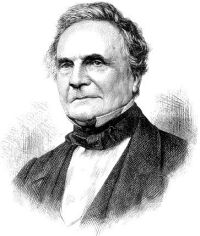
Portrait of Charles Babbage Charles Babbage,  Reflections on the Decline of Science in England…

“ Let us suppose twenty copies of a description of some new chemical process to be placed at the disposal of the Royal Society by any public body; it will not surely be contended that they ought all to remain on the Society's shelves. Yet, with our present rules, that would be the case. If, however, the list of the Members of the Society were read over to the Council, and the names of those gentlemen known to be conversant with chemical science were written down ”
Source: Gutenberg

Charles Morris,  Famous Men and Great Events of the Nineteenth Century

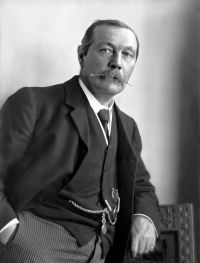
“ The view long maintained—until late in the nineteenth century, in fact—that organic and inorganic chemistry are separated from each other by a wide gap, is no longer held. Hundreds of organic substances, some of them of great complexity, have been made in the chemist’s laboratory, and can now be classed as properly with inorganic as with organic substances. The gap has been closed, and there is now but one chemistry. Only the most intricate chemical compounds still lie beyond the chemist’s grasp, and the isolation of these may be at any time overthrown. ”
Source: Gutenberg

Get perspective with Kwize: daily news enlightened by great literature