Chicago, Burlington and Quincy Railroad

Definition and stakes

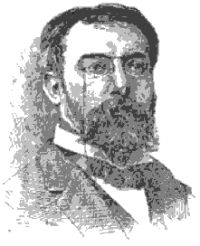
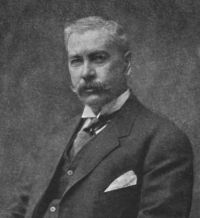
Portrait of Cy Warman Cy Warman Snow on the headlight

At four o'clock on the following morning—Monday, February the 27th, 1888,—every locomotive engineer and fireman in the service of the Chicago, Burlington and Quincy Railroad Company quit work. The fact that not one man remained in the service an hour after the order went out, shows how firmly fixed was the faith of the men in the ability of the "Twin Brotherhoods" to beat the company, and how universal was the belief that their cause was just.
Source: Gutenberg

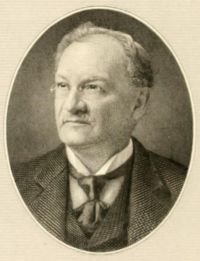
Joseph McKenna Chicago Burlington Quincy Railroad Company v…

About 90 per cent of all the passenger traffic over this line consists of people going from Chicago to St. Paul and points in Minnesota, the Dakotas, and the entire Northwest and Canada. Two trains are run each way daily between Chicago and Portland and Seattle. One train leaves Chicago in the morning, and from St. Paul runs over the Northern Pacific line to the Northwest. Another train leaves Chicago in the evening, and from St. Paul goes over the Great Northern line to the Northwest. There are two corresponding trains eastbound.
Source: Wikisource

John A. Hall The Great Strike on the "Q"

I have given thorough and conscientious examination into the troubles existing between the striking Brotherhood of Engineers, Firemen and Switchmen and the Chicago, [Pg 63] Burlington & Quincy Railroad Company. The justice of their cause against this corporation appeals to my judgment and my sympathies. It should arouse every Knight of Labor in the State, and place him to the front in defense of their cause and in placing opprobrium upon the Burlington monopoly. The Order should take a distinctive and pronounced stand for these men, who are simply battling for justice, and no more.
Source: Gutenberg

Get perspective with Kwize: daily news enlightened by great literature