Chōshū Domain

Definition and stakes

1911 Encyclopædia Britannica, Volume 15… (1911)

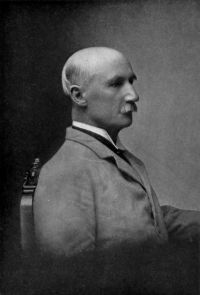
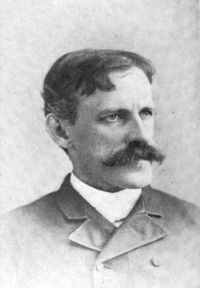
“ ITO, HIROBUMI, Prince (1841–1909) , Japanese statesman, was born in 1841, being the son of Ito Jūzō, and (like his father) began life as a retainer of the lord of Choshu, one of the most powerful nobles of Japan. Choshu, in common with many of his fellow Daimyos, was bitterly opposed to the rule of the shôgun or tycoon, and when this rule resulted in the conclusion of the treaty with Commodore M. C. Perry in 1854, the smouldering discontent broke out into open hostility against both parties to the compact. ”
Source: Wikisource

Portrait of Basil Hall Chamberlain Basil Hall Chamberlain,  Things Japanese (1905)

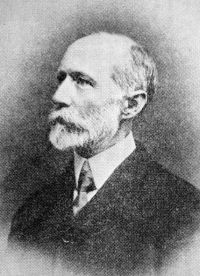
“ The shrewd warriors of Satsuma and Chōshū, who had humoured the ignorance of the Court and the fads of the scholars only as long as their common enemy, the Shōgunate, remained in existence, now turned round, and declared in favour, not merely of foreign intercourse, but of the Europeanisation of their own country. History has never witnessed a more sudden volte-face. History has never witnessed a wiser one. We foreigners, being mere lookers-on, may no doubt sometimes regret the substitution of commonplace European ways for the glitter, the glamour of picturesque Orientalism. ”
Source: Wikisource

Portrait of Basil Hall Chamberlain Basil Hall Chamberlain,  Things Japanese (1905)

“ Thus, the provinces to the north and west of Tōkyō marked Kōtsuke, Shinano, and Kai on our map, are also called Jōshū, Shinshū, and Kōshū respectively, the syllable shū (州) signifying "province" in Chinese. The south-western province marked Nagato in the map bears the alternative name of Choshu, and forms part of the prefecture of Yamaguchi, which also includes the province of Suwō. ”
Source: Wikisource

Get perspective with Kwize: daily news enlightened by great literature