Diet of Augsburg

Definition and stakes

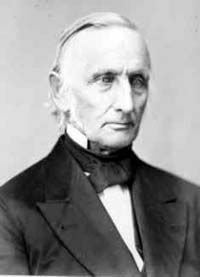
John Lord A Modern History, From the Time of Luther to the Fall of Napoleon

The Diet of Augsburg. diet of Augsburg, 1555, the year of the resignation of Charles V., divided Germany into two great political and religious parties, and recognized the independence of each. The Protestants were no longer looked upon as rebels, but as men who had a right to worship God as they pleased. Still, in reality, all that the Lutherans gained was toleration, not equality. The concessions of the Catholics were made to necessity, not to justice. Hence, the treaty of Augsburg proved only a truce, not a lasting peace.
Source: Gutenberg

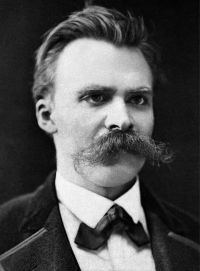
P. V. N. Myers A General History for Colleges and High Schools…

The Religious Peace of Augsburg (1555) .—In the celebrated Diet of Augsburg, convened in 1555 to compose the distracted affairs of the German states, it was arranged and agreed that every prince should be allowed to choose between the Catholic religion and the Augsburg Confession, [4] and should have the right to make his religion the worship of his people. This, it will be noted, was simply toleration as concerns princes or governments. The people individually had no freedom of choice; every subject must follow his prince, and think and believe as he thought and believed.
Source: Wikisource

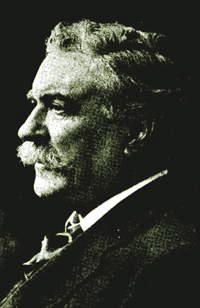
Portrait of James Harvey Robinson James Harvey Robinson An Introduction to the History of Western Europe

It is unnecessary to follow in detail the progress of Protestantism in Germany during the quarter of a century succeeding the diet of Augsburg. Enough has been said to show the character of the revolt and the divergent views taken by the German princes and people. For ten years after the emperor left Augsburg he was kept busy in southern Europe by new wars; and in order to secure the assistance of the Protestants, he was forced to let them go their own way. Meanwhile the number of rulers who accepted Luther's teachings gradually increased.
Source: Gutenberg

Get perspective with Kwize: daily news enlightened by great literature