Diet of Japan

Definition and stakes

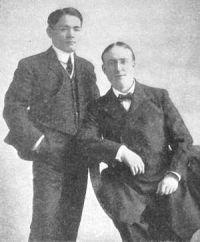
Portrait of Ernest W. Clement Ernest W. Clement A Handbook of Modern Japan

Indeed, we must not fail to take notice of the change that is taking place in the diet of the Japanese. Bread and meat, which were long ago introduced into the diet of the army and the navy, are pretty generally popular; and many other articles of “foreign food” are largely used. It is quite a common custom in well-to-do families to have at least one “foreign meal” per day; and “foreign restaurants,” especially in the large cities, are well patronized. It is said, indeed, that first-class “foreign cooking” is cheaper than first-class “Japanese cooking.”
Source: Gutenberg

Portrait of Ernest W. Clement Ernest W. Clement A Handbook of Modern Japan

The Japanese may be called vegetarians, for it is only within a recent period that meat has come to play any part in their diet. Fish, flesh, and fowl were once strictly forbidden as articles of food by the tenets of Buddhism, but gradually, one after another, came to be allowed as eatables. Even now meat, though becoming more and more popular as an article of diet, is not used in large quantities at one meal. Chicken, game, beef, ham, and pork may be found on sale in most large towns and cities.
Source: Gutenberg

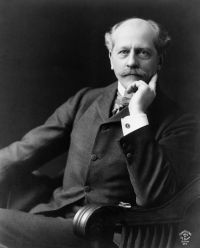
Portrait of Julian Street Julian Street Mysterious Japan

The diet of ancient Japan was even less varied than that of to-day, for more than a thousand years ago the Japanese became vegetarians, and for some centuries thereafter adhered scrupulously to the Buddhistic injunction against killing living creatures. For several hundred years they even abjured fish, but by degrees they have fallen away from the strict observance of the vegetarian doctrine, until to-day a Japanese who is at all sophisticated will thoroughly enjoy a dinner in the European style, beef and all.
Source: Gutenberg

Get perspective with Kwize: daily news enlightened by great literature