Dual Monarchy

Definition and stakes

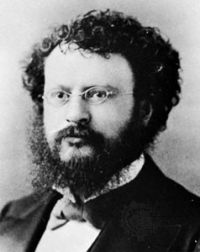
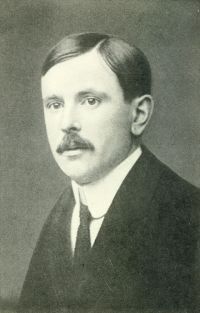
Portrait of Rubicon Rubicon,  The New Europe (1917)

“ The whole inner framework of the Dual Monarchy rests upon a hurriedly drafted memorandum, framed in 1867 to meet the demands of a single race, the Magyars, and the interests of their German-Austrian accomplices. The fundamental problems of the other nationalities, which that settlement ignored, have made themselves heard with growing insistence from year to year, but have been stifled or postponed by official indolence. To-day, when they can no longer be ignored, the decadence of authority and morale renders the State incapable of solving them, and there is an odour of the tomb at every turn. ”

Source: Wikisource

James White,  The Eighteen Christian Centuries

“ Power is diffused from the courts of kings; and instead of the spirit of independence and opposition to the royal authority which characterized former centuries, we find the courtiers’ arts more prevalent now than the pride of local grandeur. The great vassals of the Crown are no longer the rivals of their nominal superior, but submissively receive his [360] awards, or endeavour to obtain the sanction of his name to exactions which they would formerly have practised in their own. Monarchy, in fact, becomes the spirit of the age, and nobility sinks willingly into the subordinate rank. ”
Source: Gutenberg

Get perspective with Kwize: daily news enlightened by great literature