Earl of Flanders

Definition and stakes

Alban Butler,  The Lives of the Fathers, Martyrs…

“ Canutus, king of Denmark, and of Alice of Flanders, who, after the death of his father, carried him, then an infant, into Flanders, in 1086. His cousin-german Baldwin the Seventh, earl of Flanders, dying without issue in 1119, left him his heir by will, on account of his extraordinary valor and merit. The young earl was a perfect model of all virtues, especially devotion, charity, and humility. ”
Source: Gutenberg

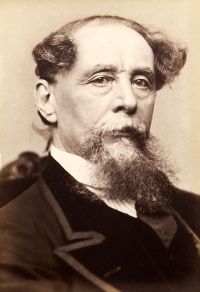
Portrait of Charles Dickens Charles Dickens,  A Child's History of England

“ The Earl of Flanders, who was at the head of the base conspiracy of the King’s undutiful sons and their foreign friends, took the opportunity of the King being thus employed at home, to lay siege to Rouen, the capital of Normandy. But the King, who was extraordinarily quick and active in all his movements, was at Rouen, too, before it was supposed possible that he could have left England; and there he so defeated the said Earl of Flanders, that the conspirators proposed peace, and his bad sons Henry and Geoffrey submitted. Richard resisted for six weeks ”
Source: Gutenberg

Portrait of John Cassell John Cassell,  Cassell's Illustrated History of England (1865)

“ The example of the freedom and superior comfort in towns stimulated the inhabitants of the country to grasp at equal benefits.
Flanders, as the earliest manufacturing and trading country, had, as we have seen, speedily become democratic; had expelled its ruler, and had now maintained a long career of independence. At this moment it was waging a most sanguinary and determined war, not only against its own earl, but against the whole forces of Burgundy and France, led by Philip van Artavelde—the son of Jacob, the stout old brewer of Ghent—and by a relentless citizen, Peter Dubois.
”
Source: Wikisource

Get perspective with Kwize: daily news enlightened by great literature