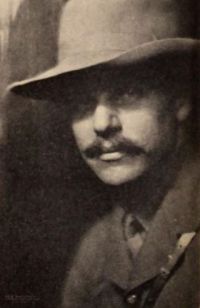
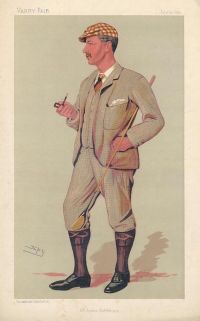
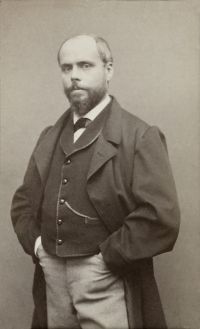
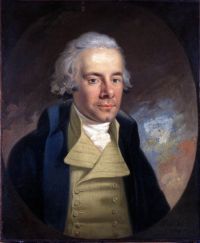
East Africa, comprising 18 sovereign states and territories in the eastern part of the African continent, is marked by its geographical variety, historical significance, and cultural wealth. From the Horn of Africa to the Great Lakes region, it has long served as a hub for trade, movement, and influence. Authors such as Charles Eliot highlighted its temperate highlands as a possible refuge for European settlers, while Winston Churchill wrestled with the challenge of turning it into a "white man's country" alongside its native populations.
Sir Richard Francis Burton vividly described its landscapes and customs, noting the "monotony of green" broken by red earth and towering cliffs. Meanwhile, Anna B. Badlam emphasized its growing importance in global trade, referencing planned railways and the expansion of territories toward civilization. These viewpoints together illustrate East Africa’s dual nature as both a birthplace of humanity and a contested arena of colonial aspirations, its character shaped by thousands of years of interaction between land, sea, and people.
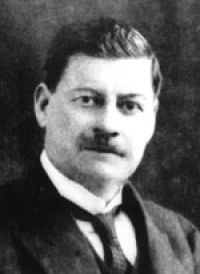 Charles Eliot,
The Empire and the century — The East African Protectorate
(1905)
Charles Eliot,
The Empire and the century — The East African Protectorate
(1905)