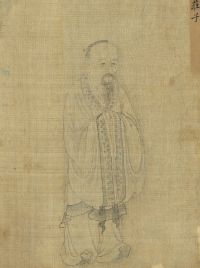
Emperor Yao

Definition and stakes

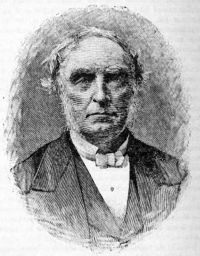
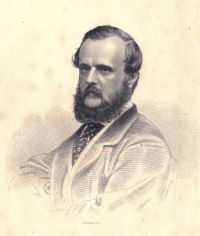
Portrait of Zhuang Zi Zhuang Zi,  Chuang Tzŭ (1889)

“ And so, when the Emperor Yao, the ruler of all under heaven and pacificator of all within the shores of ocean, paid a visit to the four sages of the Miao-ku-shê mountain, on returning to his capital at Fên-yang, the empire existed for him no more.
This illustrates the rejection of self by the perfect man. Yao had his eyes opened to the hollowness and uselessness of all mortal possessions. He ceased, therefore, to think any more of himself, and per consequens of the empire. Hui Tzŭ
A celebrated schoolman, contemporary with and antagonistic to Chuang Tzŭ.
”
Source: Wikisource

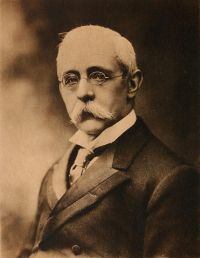
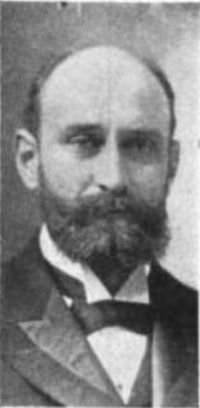
Portrait of George Henry Payne George Henry Payne,  The Child in Human Progress

“ It was apparently taken for granted that a daughter would not be rebellious.
Having occupied the throne a long time, Yao, as it is said, called his ministers about him and, telling them that he had now reigned for more than seventy years, expressed his willingness to abdicate in favour of any one who felt capable of taking the Emperor’s place. When no one volunteered—they were wise Chinese—he asked them to suggest someone who was deserving of charity.
“Yu Chun,” answered the ministers, “though an aged man, is without a wife and comes from an obscure family.
”
Source: Gutenberg

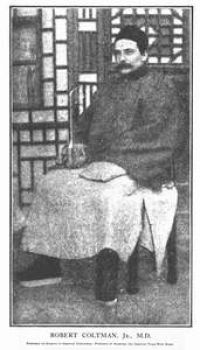
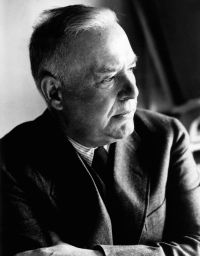
Portrait of James Legge James Legge,  Sacred Books of the East (1879)

“ King Wăn, the founder of the Kâu dynasty, is invariably mentioned as Wăn Wang, 'Wăn the king.' To say Wang Wăn would be felt at once by every Chinese scholar to be inadmissible; and not less so is Tî Yâo for 'the emperor Yâo.' It was the perception of this violation of usage in Chinese composition, five years ago, that first showed me the error of translating Tî Yâo and Tî Shun by 'the emperor Yao' and 'the emperor Shun.' It is true that in the early books of the Shû, we have Tî used alone, without the adjunct of Yâo or Shun, and referring to those personages. ”
Source: Wikisource

Get perspective with Kwize: daily news enlightened by great literature