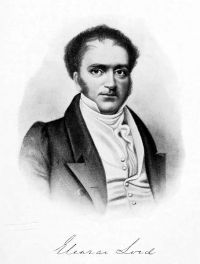
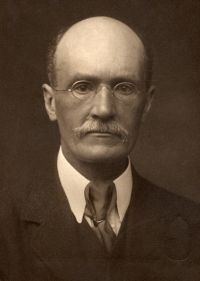
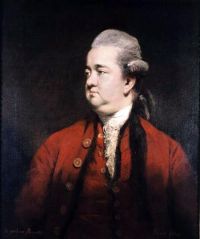
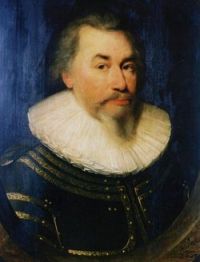
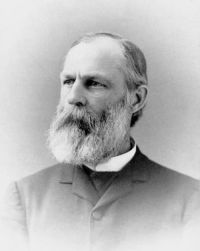
Erastianism refers to the doctrine that promotes the subordination of the church to civil authority, emphasizing the supremacy of state power in religious affairs. This concept has been examined by scholars such as William Arnot, who criticized its impact on the structure of church governance, and A. Taylor Innes, who placed it within the context of Scotland’s religious struggles.
Ephraim Emerton pointed out its connection to doctrinal inflexibility, while Robert Green Ingersoll viewed heresy—often associated with Erastian conflicts—as a driver of advancement. Adolf Hausrath, in contrast, contrasted symbolic religious rituals with the "heretic’s" dependence on verbal expressions alone. These differing viewpoints highlight Erastianism’s significance as a point of contention between institutional control and theological independence, influencing discussions on the relationship between church and state throughout history.
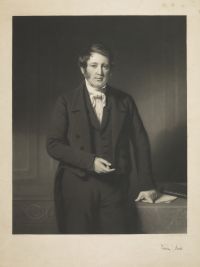 William Arnot,
The Parables of Our Lord
William Arnot,
The Parables of Our Lord