Essays of Francis Bacon

Definition and stakes

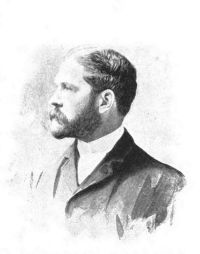
Portrait of William T. Smedley William T. Smedley The Mystery of Francis Bacon

Bacon's new organ has never been constructed, and all wits and understandings have not yet been placed on a level.
We come back to the mystery of Francis Bacon, the possessor of the most exquisite intellect that was ever bestowed on any of the children of men. As an historian, he gives us a taste of his quality in "Henry VII." In the Essays and the "Novum Organum," sayings which have the effect of axioms are at once striking and self-evident. But he is always desultory.
Source: Gutenberg

Portrait of William T. Smedley William T. Smedley The Mystery of Francis Bacon

For such a man to write "The two books" would be no hard or lengthy task.
The wonder is that Francis Bacon should have attached his name to the 1597 edition of the essays. He had written and published under other names tomes of essays of at least equal merit. In Aphorism 128 of the "Novum Organum" Bacon says, "But how sincere I am in my profession of affection and goodwill towards the received sciences my published writings, especially the books on the Advancement of Learning, sufficiently shew."
Source: Gutenberg

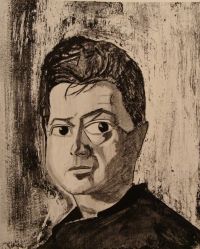
Portrait of Francis Bacon Francis Bacon The Essays of Francis Bacon (1908)

But Bacon's mind was poetic, and he had the gift, which while it is not so rare as the transcendent imagination, is yet very rare, the gift of seeing analogies in common things. His similes and metaphors are the hardy flowers that grow by the wayside for any one to pluck. A whole body of them come from contemporary sports, cards, bowls, horsemanship. A cunning man may be able to "pack the cards" and yet not play well; so cunning men who understand persons rather than matters "are good but in their own alley," Of Cunning.
Source: Wikisource

Get perspective with Kwize: daily news enlightened by great literature