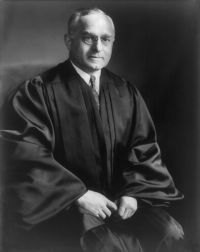
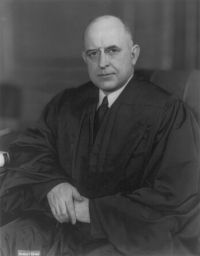
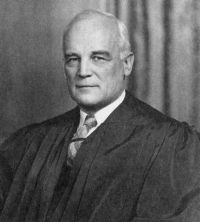
The Federal Employers' Liability Act (FELA) is a U.S. federal law regulating employer responsibility for workplace injuries, especially in the railroad industry, by transferring liability based on negligence from employees to employers. Legal scholars and judges, including Hugo Black, Felix Frankfurter, and William O. Douglas, have analyzed its effects, pointing out tensions between federal regulation and state compensation programs.
Black highlighted the legislative debate regarding reliance on FELA compared to state laws, while Frankfurter focused on jurisdictional disputes and the Act’s inability to settle issues of fault. Douglas criticized the preferential handling of FELA cases, and Clark discussed conflicts with state statutes. These viewpoints together illustrate FELA’s function as a structure that balances employer responsibility with the challenges of interstate trade and workers’ rights.
 Hugo Black,
Edwards v. Pacific Fruit Express Company…