Frankfurt National Assembly

Definition and stakes

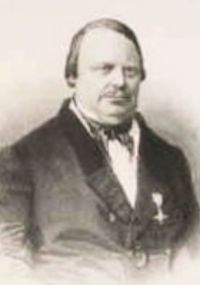
Portrait of Carl Schurz Carl Schurz,  The Reminiscences of Carl Schurz

“ What troubled me most was the visibly and constantly growing power of the reactionary forces and the frittering away of the opportunities to create something real and durable, by the national parliament in Frankfurt and by the assembly in Berlin. I remember well to have carried with me an oppressive consciousness of my own ignorance in political things, which was the more painful the more urgent appeared the necessity for the people to be prepared for prudent and energetic action in the decisive struggles which impended. ”
Source: Wikisource

Portrait of Carl Schurz Carl Schurz,  The Reminiscences of Carl Schurz

“ Immediately after the revolution of March, 1848, the different German governments, and with them also Austria, because of her German possessions, had recognized this object as a legitimate one, and it was with their co-operation that in May the elections for the national parliament had taken place. The large majority of that body, in fact, the German people in general, regarded the Frankfurt parliament as the specific representative of the sovereignty of the German nation. ”
Source: Wikisource

René Brunet,  The New German Constitution

“ Protected against the Cabinet, against insurrections, and against individuals who have designs on their independence, the deputies of the Reichstag can and must organize themselves in such a way as to assure for their labours maximum efficiency. It is imperative that the majority shall be able to impose its will without thereby sacrificing the rights of the minority. To this effect Article 26 provides, “The National Assembly chooses its President, Vice-President, and its Secretaries. It regulates its own procedure.” ”
Source: Gutenberg

Get perspective with Kwize: daily news enlightened by great literature