Frankfurt Parliament

Definition and stakes

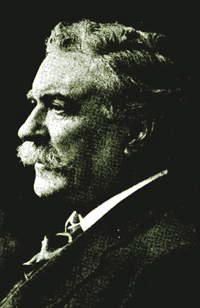
Portrait of Carl Schurz Carl Schurz,  The Reminiscences of Carl Schurz

“ Immediately after the revolution of March, 1848, the different German governments, and with them also Austria, because of her German possessions, had recognized this object as a legitimate one, and it was with their co-operation that in May the elections for the national parliament had taken place. The large majority of that body, in fact, the German people in general, regarded the Frankfurt parliament as the specific representative of the sovereignty of the German nation. ”
Source: Wikisource

Portrait of Carl Schurz Carl Schurz,  The Reminiscences of Carl Schurz

“ Austria desired a united Germany in some form, only if it could hope to occupy in it the position of the leading power.
Face to face with the princes and their parties stood the national parliament in Frankfurt, that child of the revolution, which might then have almost been called the orphan of the revolution. It had at its immediate disposal no administrative machinery, no army, no treasury, only its moral authority; all the other things were in the hands of the different German state governments. The only power of the national parliament consisted in the will of the people.
”
Source: Wikisource

Portrait of Carl Schurz Carl Schurz,  The Reminiscences of Carl Schurz (1908)

“ The national parliament at Frankfurt elected in the spring, which represented the sovereignty of the German people in the large sense and was to give to the united German nation a national government, counted among its members a great many men illustrious in the fields, not of politics, but of science and literature. It soon showed a dangerous tendency of squandering in brilliant, but more or less fruitless, debates much of the time which was sorely needed for prompt and decisive action to secure the legitimate results of the revolution against hostile forces. ”
Source: Wikisource

Get perspective with Kwize: daily news enlightened by great literature