Greco-Roman civilization

Definition and stakes

The Unity of Western Civilization

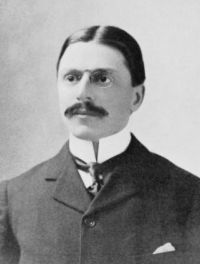
“ But I must avow my conviction that our civilization—and I specially remember that we are Englishmen—is not only in origin but in essence, Greco-Roman, modified no doubt by influences unknown to that in its earlier stages, but still Greco-Roman grown to a larger stature and a clearer self-consciousness, self-shaped to its present form, the same vital and vitalizing force, constantly reinvigorated and re-enlightened by reflection upon its own past. ”
Source: Gutenberg

John Lord,  The Old Roman World : the Grandeur and Failure of Its Civilization

“ In her political degradation, Greece still was the most interesting country on the globe. Every city had a history; every monument betokened a triumph of human genius. On her classic soil the great miracles of civilization had been wrought—the immortal teacher of all the nations in art, in literature, in philosophy, in war itself. Every cultivated Roman traveled in Greece; every great noble sent his sons to be educated in her schools; every great general sent to the banks of the Tiber some memento of her former greatness, some wonder of artistic skill. ”
Source: Gutenberg

John Lord,  The Old Roman World : the Grandeur and Failure of Its Civilization

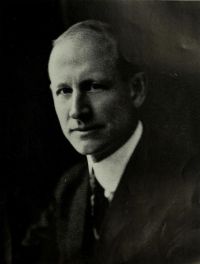
“ The Greeks, at that period, were the noblest race of the ancient world—immortal for genius and art. But power dazzled them, and little remained of that glorious spirit which was seen at Thermopylae and Marathon. The Greek ascendency in Asia and Egypt was followed by the same luxury and extravagance and effeminacy that resulted from the rule of Persia. The Greeks had done great things, and contributed to the march of civilization, but they had done their work, and their turn of humiliation must come. Their vast empire fell into the hands of the Romans, and the change was beneficial to humanity. ”
Source: Gutenberg

Get perspective with Kwize: daily news enlightened by great literature