Greco-Roman

Definition and stakes

The Unity of Western Civilization

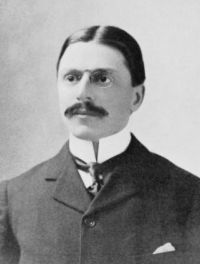
“ But I must avow my conviction that our civilization—and I specially remember that we are Englishmen—is not only in origin but in essence, Greco-Roman, modified no doubt by influences unknown to that in its earlier stages, but still Greco-Roman grown to a larger stature and a clearer self-consciousness, self-shaped to its present form, the same vital and vitalizing force, constantly reinvigorated and re-enlightened by reflection upon its own past. ”
Source: Gutenberg

John Lord,  The Old Roman World : the Grandeur and Failure of Its Civilization

“ In her political degradation, Greece still was the most interesting country on the globe. Every city had a history; every monument betokened a triumph of human genius. On her classic soil the great miracles of civilization had been wrought—the immortal teacher of all the nations in art, in literature, in philosophy, in war itself. Every cultivated Roman traveled in Greece; every great noble sent his sons to be educated in her schools; every great general sent to the banks of the Tiber some memento of her former greatness, some wonder of artistic skill. ”
Source: Gutenberg

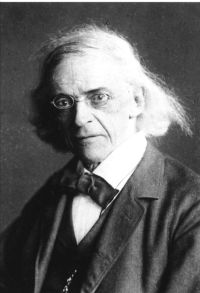
Portrait of Havelock Ellis Havelock Ellis,  Impressions and Comments

“ Virgil said that he licked his poems into shape as a she-bear licks her cubs, and Horace, the other supreme literary artist of Rome, compared the writing of poems to working in bronze. No Greek could have said these things. Whether Plato or Aristophanes or even Thucydides, the Greek's feet touched the earth, touched it lovingly, though it might only be with the pressure of a toe, but there were always wings to his feet, he was always the embodiment of all that he symbolised in Hermes. The speech of the Greek flies, but the speech of the Roman sinks. ”
Source: Gutenberg

Get perspective with Kwize: daily news enlightened by great literature