Greek language

Definition and stakes

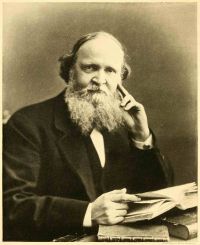
Elias Lyman Magoon,  Westward empire (1856)

“ In fullness, exactness, flexibility and grace, the Greek language surpasses all other linguistic forms, and remains the first great masterpiece of the classic world. As we watch the growth of a tender exotic plant, gradually removed to a higher latitude, and at each stage of its matured beauty experience fresh joy, so the philologist watches the tender shoot of the first European tongue as it unfolds under the mild skies of Ionia, passes to the isles of the Ægean, and finally strikes its strong roots in fruitful Attica. ”
Source: Gutenberg

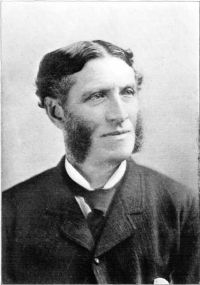
Various,  Popular Science Monthly (1896)

“ If one can grapple with a scheme of education including an accurate knowledge of the Greek language without being compelled to omit lines of study more necessary to place him—where every modern man should be—at the modern standpoint, we should say by all means let him study Greek and have his sense of beauty quickened by living intercourse with its wonderful literature, and his logical and critical faculties strengthened by investigation of its linguistic elements and grammatical forms. ”
Source: Wikisource

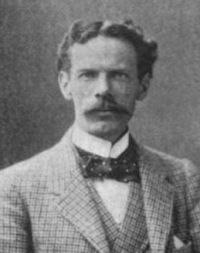
Portrait of Richard Claverhouse Jebb Richard Claverhouse Jebb,  Essays and Addresses (1907)

“ It is an instrument which responds with happy elasticity to every demand of the Greek intellect. The forms which it has retained are light, graceful, flexible. It can express the most delicate shades of meaning with an elegant simplicity. This power is due, not only to its organic structure, but also to the tact with which words expressing the same general idea have been discriminated in its rich vocabulary. The Greek language is the earliest work of art created by the spontaneous working of the Greek mind, and it is the greatest work of Greek art which has survived. ”
Source: Wikisource

Get perspective with Kwize: daily news enlightened by great literature