Gulf of Paria

Definition and stakes

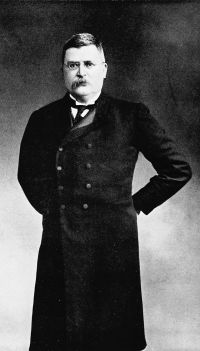
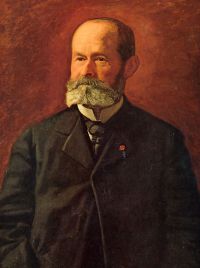
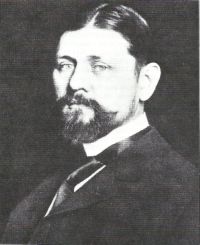
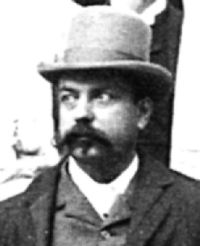
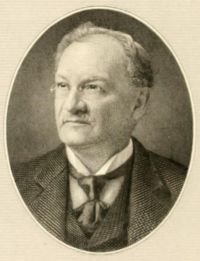
Portrait of E. F. Knight E. F. Knight The Cruise of the 'Alerte'

Sailing-vessels bound here with timber are in the habit of running as high up as they can into the mud, knowing that when they have discharged their cargo they will easily float off again. The mud deposited in the Gulf of Paria by the outflow of the Orinoco and its tributaries is the softest possible, and is very deep, so that a vessel can suffer no injury by lying in it, even when the sea is rough. So shallow is the water in this roadstead that at a mile and a half from the shore the depth is only three fathoms, while a ship's boat cannot approach the end of the jetty at low water.
Source: Gutenberg

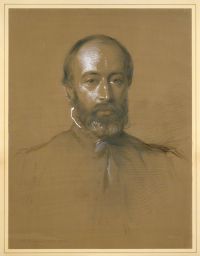
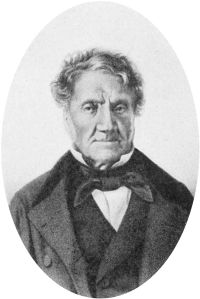
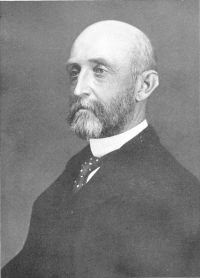
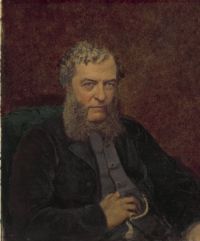
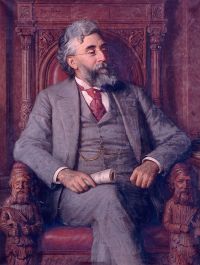
Portrait of Charles Kingsley Charles Kingsley At Last: A Christmas in the West Indies

Gaspar Grande, and Diego, and the Five Islands, and the peninsula—or island—of Punta Grande? How were these isolated lumps of limestone hewn out into high points, with steep cliffs, not to the windward, but to the leeward? What made the steep cliff at the south end of Punta Grande, on which a mangrove swamp now abuts? No trade-surf, no current capable of doing that work, has disturbed the dull waters of the ‘Golfo Triste,’ as the Spaniards named the Gulf of Paria, since the land was of anything like its present shape. And gradually we began to dream of a time when the Bocas did not exist
Source: Gutenberg

Get perspective with Kwize: daily news enlightened by great literature