Hungarian literature

Definition and stakes

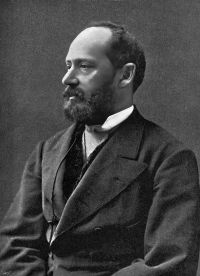
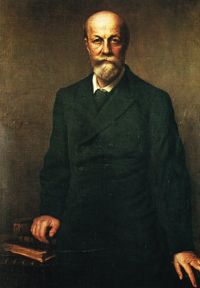
Portrait of Frigyes Riedl Frigyes Riedl,  A History of Hungarian Literature (1906)

“ THE LANGUAGE REFORM
At the commencement of the nineteenth century Hungarian literature presents a remarkable phenomenon. In the course of a few years the literary language was so entirely transformed, that practically a new tongue came to be at the service of poets. As culture and literary taste spread, and authors grappled with the theory of art and of poetry, it became more and more evident that the Hungarian language was neither rich enough, nor polished enough, to express all the new ideas which increased culture had called into being.
”
Source: Wikisource

Various,  Lippincott's Magazine of Popular Literature and Science…

“ This prolonged warfare has made nationality the uppermost thought in the life of the Hungarian: it is the influence controlling all his ideas, his feelings, his poetry and his art. His music embalms a thousand years of struggle for it, and every note of its wild, melancholy strains breathes tales of war and sorrow, of hope and triumph. The music interpreting such an intense nationality ought to be a peculiar one; and it is. A foreigner, having once heard it, can never mistake its sounds for those of any other national music. ”
Source: Gutenberg

Portrait of Frigyes Riedl Frigyes Riedl,  A History of Hungarian Literature (1906)

“ Hungarian literature is, in fact, the record of Hungarian patriotism. The ideas of nation, fatherland and race are much more pronounced in it than in other literatures. It is quite natural, for we always cherish more anxiously what we are in constant danger of losing, than the most precious treasures which we can quietly enjoy in the security of unchallenged possession. These features also are uppermost in the popular tales and ballads, as we saw when considering the Kurucz poetry. ”
Source: Wikisource

Get perspective with Kwize: daily news enlightened by great literature