Icelandic language

Definition and stakes

The Story of the Volsungs (Volsunga Saga…

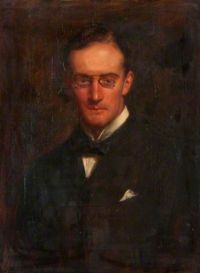
“ It is, however, becoming ever clearer, and to an increasing number, how supremely important is Icelandic as a word-hoard to the English-speaking peoples, and that in its legend, song, and story there is a very mine of noble and pleasant beauty and high manhood. That which has been done, one may hope, is but the beginning of a great new birth, that shall give back to our language and literature all that heedlessness and ignorance bid fair for awhile to destroy. ”
Source: Gutenberg

The New International Encyclopædia (1905)

“ ICELANDIC LANGUAGE. With the Norwegian popular dialects and Faroese, Icelandic forms the West Norse subdivision of the Scandi- navian languages, as opposed to the East Norse, made up of Swedish and Danish. The history of Icelandic begins with the settlement of Iceland by Norwegians, principally from Western Norway, at the end of the ninth century. After this time there was gradually developed in Iceland a particular West Norwegian dialect, which, however, at the outset differed but slightly from the parent Norwegian. ”
Source: Wikisource

The New International Encyclopædia (1905)

“ The present territory of Icelandic, aside from small settlements in the United States and in British America, is the island of Iceland, where it is the spoken and written language of the 70,000 inhabitants. The literary language of the present time is to all intents and purposes the spoken speech, not of any particular region or of any separate class, but of the people of the whole country, with the reservation that in the capital and the trading places along the coast much Danish is in use, and the spoken language is no longer as pure as elsewhere. ”
Source: Wikisource

Get perspective with Kwize: daily news enlightened by great literature