Indo-Europeans

Definition and stakes

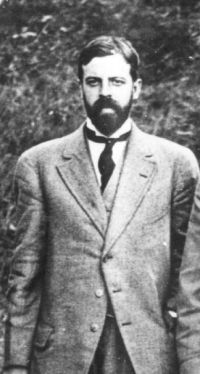
John M. Tyler,  The New Stone Age in Northern Europe

“ There seems to be a wide-spread opinion that the rise of the Indo-Europeans was the first dawn of day in a benighted world. Their migrations were a missionary movement on a grand scale. They dispelled darkness, ignorance, and superstitions, broke the crust of a stagnant conservatism, overthrew outworn customs, brought an entirely new culture, and revolutionized life and the world. ”
Source: Gutenberg

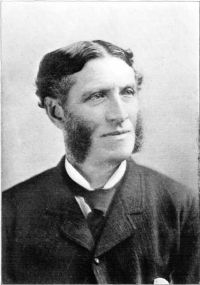
Portrait of Matthew Arnold Matthew Arnold,  Celtic Literature

“ It is worth noticing that the masterpieces of the spiritual work of Indo-Europeans, taking the pure religious sentiment, and not the imaginative reason, for their basis, are works like the Imitation, the Dies Iræ, the Stabat Mater—works clothing themselves in the middle-age Latin, the genuine native voice of no Indo-European nation. The perfection of their kind, but that kind not perfectly legitimate, they take a language not perfectly legitimate ”
Source: Gutenberg

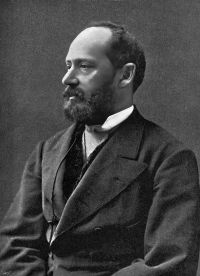
Hutton Webster,  Early European History

“ PRINCIPAL INDO-EUROPEAN PEOPLES The Indo-Europeans in antiquity included the Hindus of India, the Medes and Persians dwelling on the plateau of Iran, the Greeks and Italians, and most of the inhabitants of central and western Europe. All these peoples spoke related languages which are believed to be offshoots from one common tongue. Likeness in language does not imply that all Indo-Europeans were closely related in blood. Men often adopt a foreign tongue and pass it on to their children. ”
Source: Gutenberg

Get perspective with Kwize: daily news enlightened by great literature